

Ecommerce Proxy tools are now essential for online sellers, agencies, and data teams that need to operate at scale in a competitive digital market. Whether you run a small store or manage multiple marketplaces like Amazon or eBay, these proxies help you collect price data, test localized stores, manage multiple accounts, and reduce IP-based blocks.
This blog is built for small sellers, agencies, and growing e-commerce brands. We explain what e-commerce proxies are, how they work, how to choose trusted providers, and how to use them safely. You will also find a curated list of the top 12 ecommerce proxies in 2026, along with setup tips and real-world troubleshooting, so you know exactly how to buy ecommerce proxies with confidence.

What Are Ecommerce Proxy?
An Ecommerce Proxy is a server that acts as a middle layer between you and online marketplaces. When you visit a store, your request goes through the proxy first, which sends it using a different IP address and location. This changes how your traffic appears to the website and helps with tasks like price monitoring, geo-testing, managing multiple accounts, and avoiding request limits.
What an Ecommerce Proxy does not change are store rules, your account history, payment methods, or platform policies. It only adjusts network signals, such as IP and location. Think of it as a virtual mask that helps you scale and access data safely, not a tool for breaking marketplace rules.
How E-commerce Proxies Work
When you use an e-commerce proxy, your internet traffic is rerouted through a remote server. For example, if you are in London but want to see Amazon’s US prices, you can use a US-based proxy. The website sees a visitor from New York, allowing you to view localized data that would otherwise be hidden.
This technology relies on features like “IP rotation,” where your address changes automatically to avoid detection. “Sticky sessions” are also used when you need to stay logged into an account for a set time. These tools create a “virtual location mask,” making it much harder for websites to track your scraping or account management activities.
Beyond retail operations, proxies serve various specialized functions-professionals managing remote work often use a freelancer proxy to access client systems securely, while marketing teams rely on an ad verification proxy to monitor campaign placements and detect fraudulent impressions across different regions.
Proxy Types for E-commerce: Which One Fits Your Use Case?
Different e-commerce tasks need different proxy types. Below is a practical comparison to help you decide.
Before the table, remember: higher trust usually means higher cost, while speed often means higher detection risk.
|
Proxy Type |
Pros |
Cons |
Best Use Cases |
|
Residential |
High trust, low blocks |
Higher cost |
Scraping, geo-testing, stealth |
|
Datacenter |
Fast, affordable |
Easier to detect |
Bulk checks, low-risk tasks |
|
Mobile |
Very high trust |
Expensive |
Automation, sensitive workflows |
|
Rotating IPs |
Avoid rate limits |
Less session control |
Large-scale data collection |
|
Static IPs |
Stable sessions |
Higher exposure if flagged |
Account management |
Residential proxies are ideal for “stealth” tasks because they come from real home internet connections. Datacenter proxies offer the best speed for bulk tasks, but are often flagged by advanced security systems. Mobile proxies provide the highest level of trust but require a larger investment for automation.
How to Select a Trusted Proxy Provider for E-commerce Use
When you look to buy e-commerce proxies, you should focus on the quality of the IP pool rather than just the lowest price. A poor-quality provider can lead to leaked data or banned store accounts. We recommend looking for transparency in how they source their IPs and the level of technical support they offer.
Keep these criteria in mind during your selection:
- Pool Size and Diversity: Ensure they have millions of IPs across the countries where you operate.
- Uptime and Reliability: Look for a 99.9% uptime guarantee to avoid business interruptions.
- Targeting Precision: The ability to choose specific cities or ISPs is a major advantage for local market research.
- Security Protocols: Ensure the provider supports SOCKS5 or HTTPS for encrypted data transfers.
A good provider helps you scale safely instead of pushing you into risky shortcuts.

Top 12 Reliable Proxy Services for E-commerce Operations in 2026
Choosing the right partner becomes much simpler when you compare leading providers side by side. Below are the top 12 services that currently stand out for retail operations and data-driven ecommerce tasks.
9Proxy
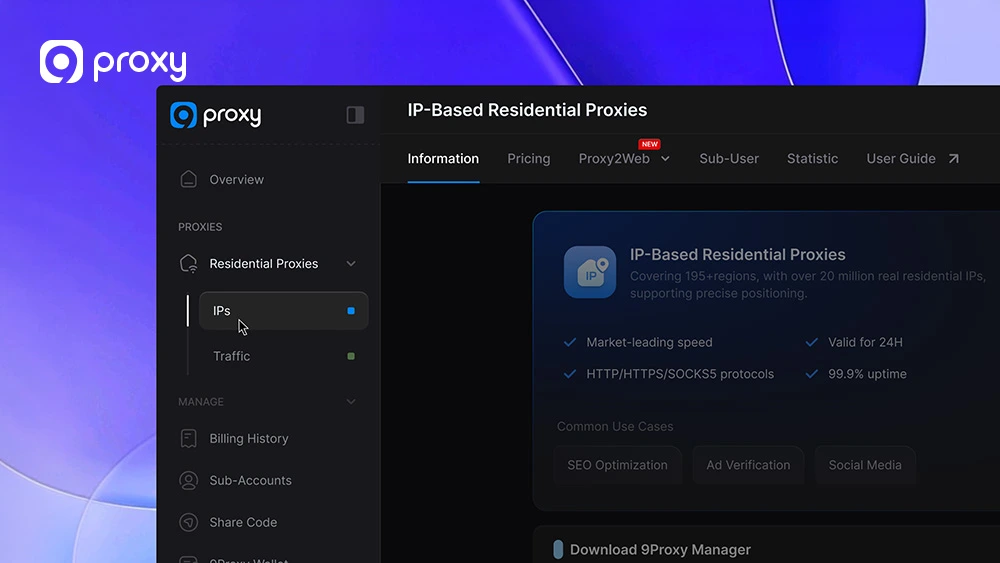
9Proxy is a top-tier provider recognized for a clean and reliable residential IP pool. We focus on ease of use and strong security, which makes our service especially suitable for users managing multiple store accounts. While residential proxies may be slightly slower than datacenter options, they offer a much higher level of trust. This balance helps reduce blocks and keeps ecommerce workflows more stable and secure.
- Pros: Affordable pricing, 90+ countries, easy rotation control.
- Cons: Not designed for ultra-enterprise customization.
- Best use cases: Price tracking, multi-store testing, small to mid teams.
Oxylabs
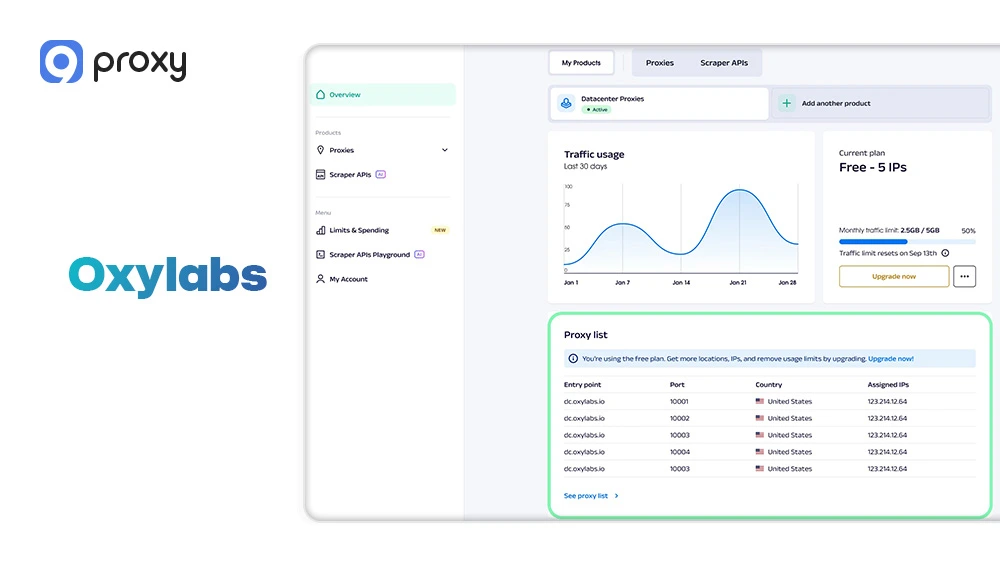
Oxylabs stands out for its large infrastructure and advanced enterprise-grade features. They offer great speed and a huge selection of geographic locations. The main drawback is the premium pricing, which might be high for small sellers.
- Pros: Massive IP pool, advanced targeting.
- Cons: High cost for small sellers.
- Best use cases: Large-scale scraping and data teams.
IPRoyal
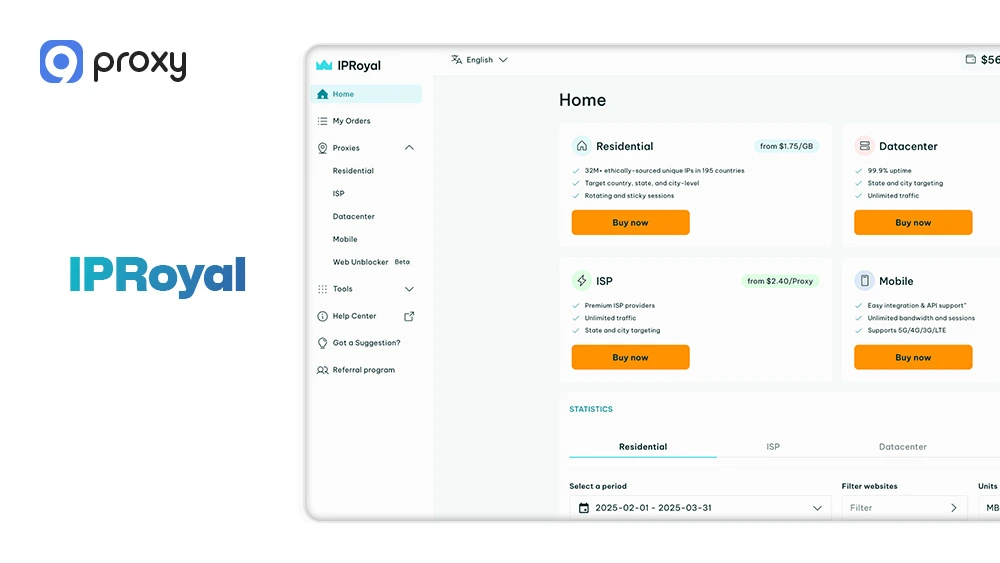
IPRoyal is a budget-friendly option that focuses on transparency and ethical IP sourcing. They provide a stable connection with a simple interface that is great for beginners. However, their total IP pool is smaller than that of giants like Oxylabs.
- Pros: Simple dashboard, fair pricing.
- Cons: Smaller IP pool than enterprise providers.
- Best use cases: Growing ecommerce brands.
Decodo (formerly Smartproxy)
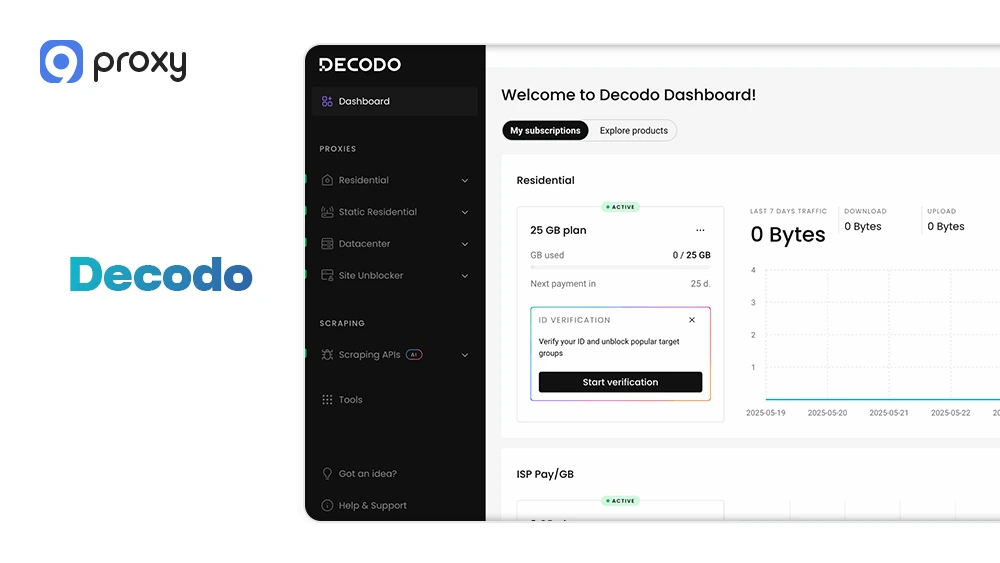
Decodo offers a great balance of performance and price. They provide excellent documentation and a very user-friendly dashboard. Some users find the advanced targeting features a bit limited compared to enterprise tools, but it remains a solid all-rounder.
- Pros: Good docs, wide locations.
- Cons: Less control over entry plans.
- Best use cases: Agencies and automation tools.
Rayobyte
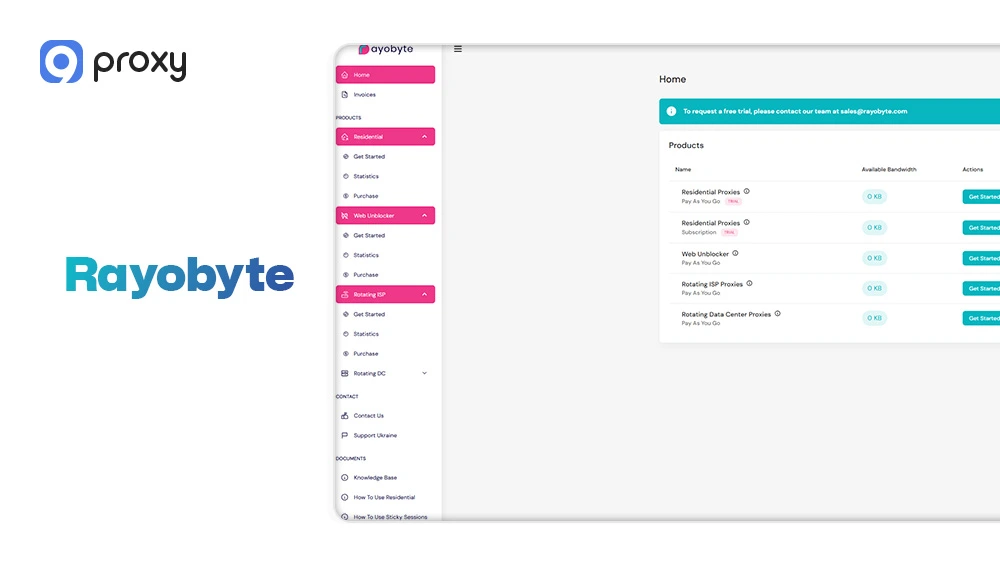
Rayobyte is known for its “ethics-first” approach and high-quality datacenter proxies. They provide great stability and excellent customer service. The residential pool is growing, but can sometimes be less diverse in specific rural regions.
- Pros: Transparent practices.
- Cons: Slower onboarding.
- Best use cases: Compliance-focused teams.
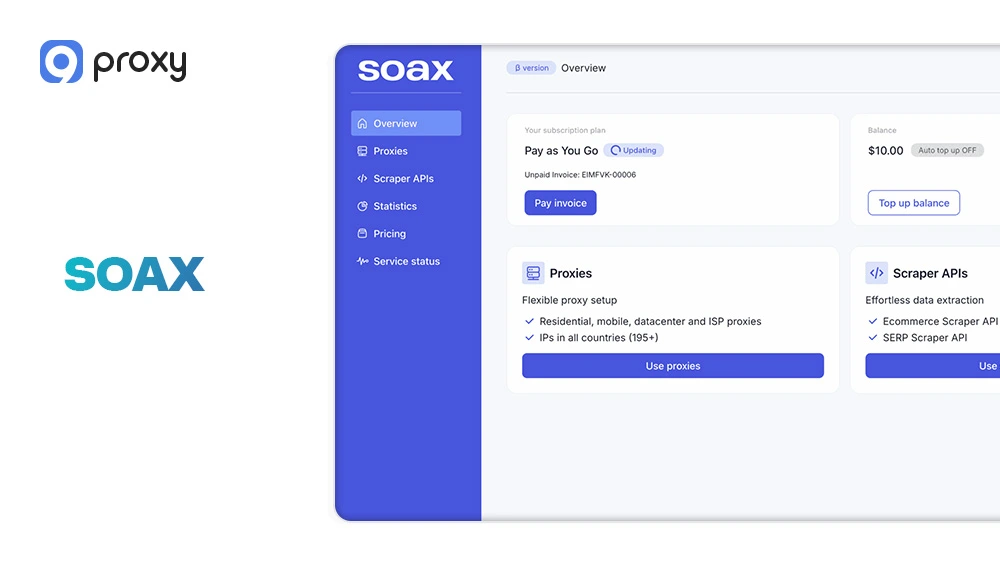
SOAX
SOAX offers a very precise targeting system, allowing users to filter by city, ISP, and even specific mobile carriers. This makes it highly effective for checking local price fluctuations. The pricing can be a bit complex for new users.
- Pros: City-level filters.
- Cons: Pricing can rise quickly.
- Best use cases: Localized market testing.
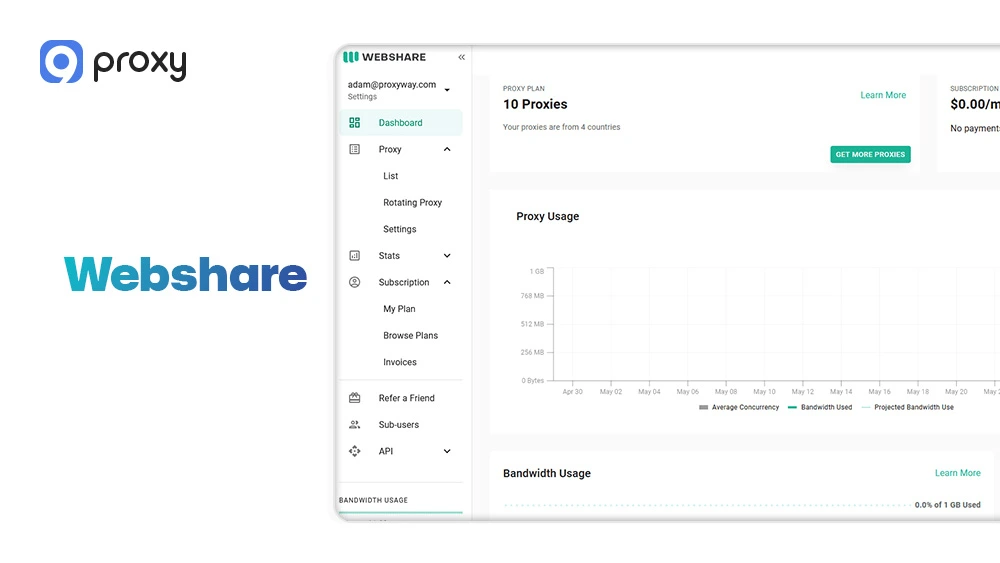
Webshare
Webshare is famous for its affordability and high-speed datacenter proxies. They offer a very straightforward “buy and use” experience with instant activation. The detection risk is higher since these are not residential IPs, but they are great for non-sensitive tasks.
- Pros: Easy start, low cost.
- Cons: Higher detection risk.
- Best use cases: Entry-level ecommerce tasks.
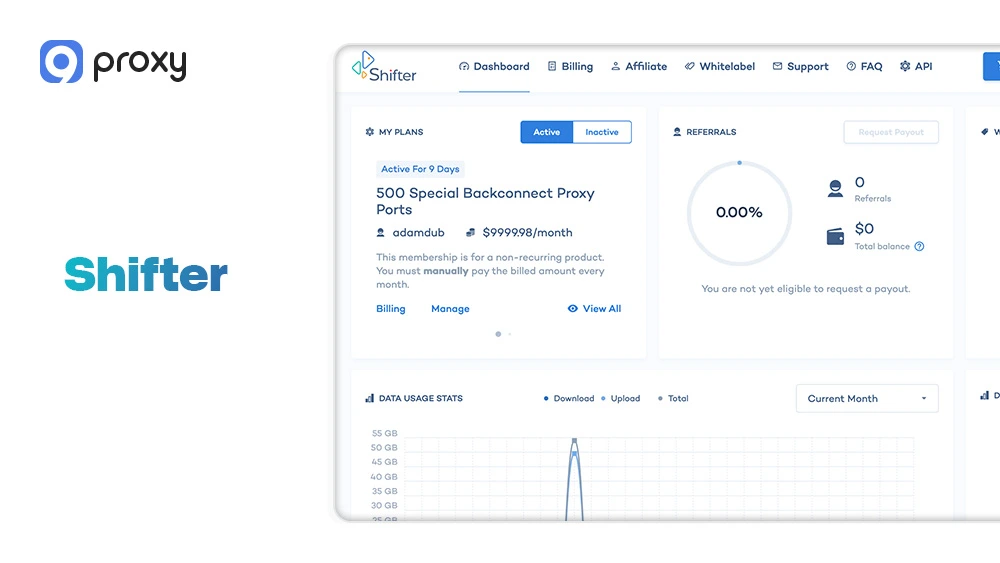
Shifter
Shifter provides a large rotating residential proxy network. Their system is built for heavy data gathering and web scraping. The dashboard feels a bit dated compared to newer competitors, and speeds can fluctuate during peak hours.
- Pros: Simple rotation.
- Cons: Less session control.
- Best use cases: Bulk scraping.
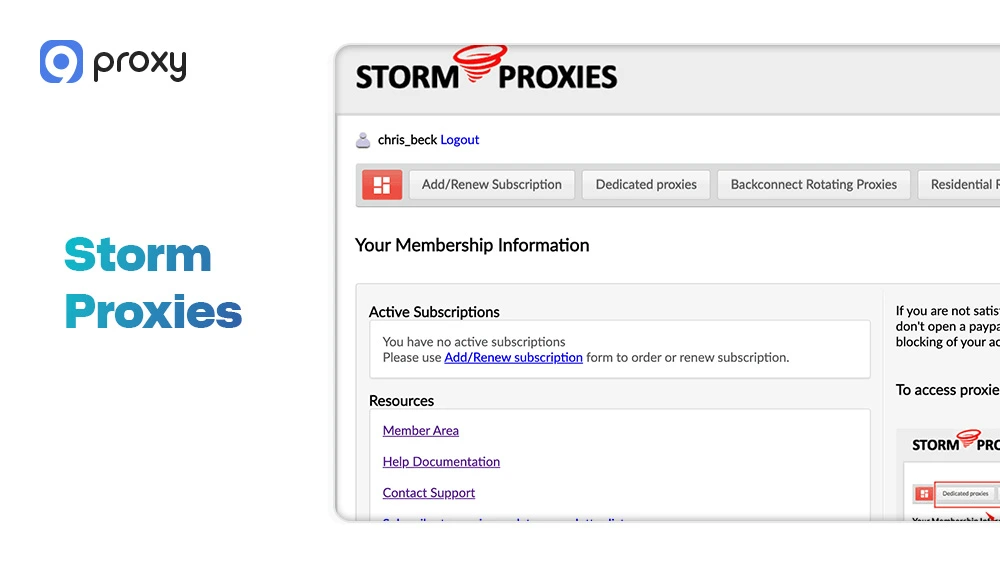
Storm Proxies
Storm Proxies is a simplified service that offers high-speed rotating IPs at a very low cost. They don’t have the sophisticated targeting of SOAX, but they are very easy to set up for simple tasks.
- Pros: Fixed plans.
- Cons: Limited locations.
- Best use cases: Small automation setups.
ProxyDrop
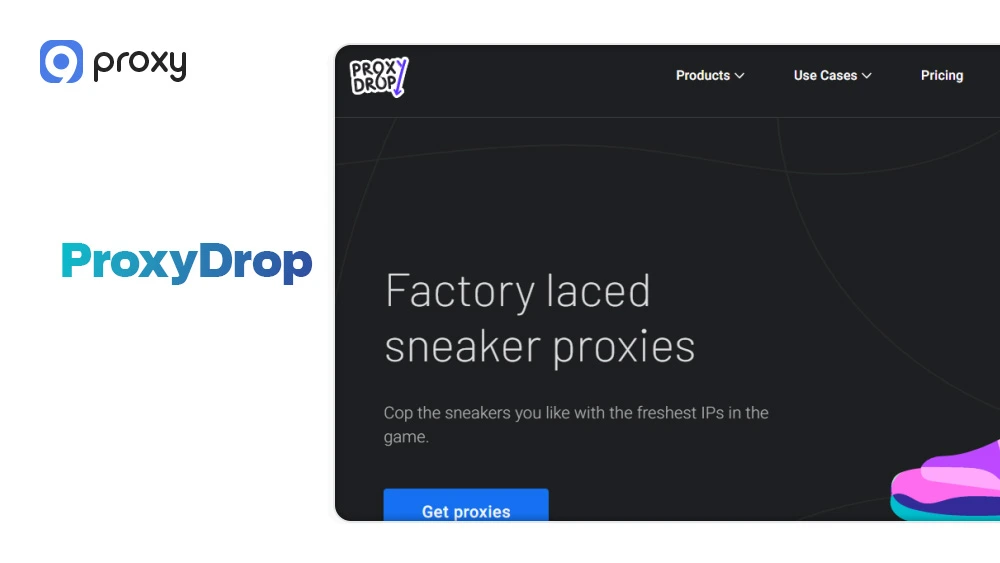
ProxyDrop is specifically tailored for “sneakerheads” and high-demand retail releases. They offer very low-latency IPs that are optimized for speed during checkout. Because of this niche focus, they might lack some broad enterprise features.
- Pros: Fast setup.
- Cons: Smaller IP pools.
- Best use cases: Testing and short campaigns.
ProxyEmpire
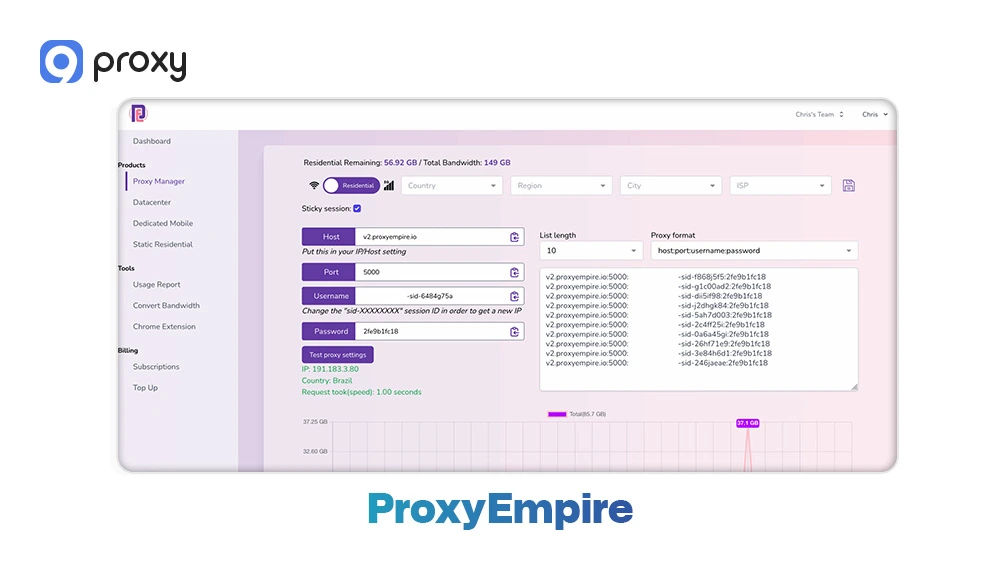
ProxyEmpire offers both residential and mobile proxies with the unique feature of “rollover data.” This means your unused bandwidth doesn’t disappear at the end of the month. Their pool size is respectable but not the largest.
- Pros: Flexible options.
- Cons: Interface learning curve.
- Best use cases: Mixed ecommerce workflows.
NetNut
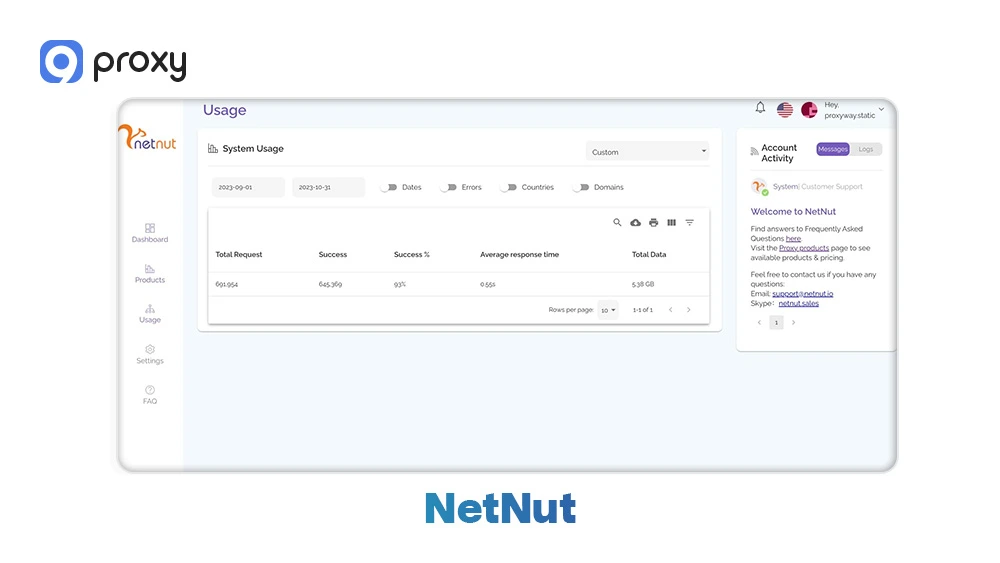
NetNut gets its IPs directly from ISPs rather than P2P networks, which often results in faster speeds and higher stability. It is an “elite” tier service that works well for continuous data streaming. The entry price can be high for casual users.
- Pros: High stability.
- Cons: Premium pricing.
- Best use cases: Long sessions and sensitive tasks.
Provider Key Features Comparison Table
This comparison table is designed to help you quickly and clearly evaluate the top 12 providers based on the key factors that matter most in modern ecommerce environments. It highlights differences in proxy types, IP locations, rotation options, session control, and pricing, allowing you to see at a glance which services are best suited for tasks like data collection, account management, and market testing.
|
Provider |
Proxy Types |
IP Locations |
Rotation |
Sticky Sessions |
Best For |
Pricing |
Trial |
|
9Proxy |
Residential |
Global |
Yes |
Yes |
SMB ecommerce |
Low |
Yes |
|
Oxylabs |
Res/Mobile |
Global |
Yes |
Yes |
Enterprise |
High |
Limited |
|
IPRoyal |
Residential |
Many |
Yes |
Yes |
Growing brands |
Medium |
Yes |
|
Decodo |
Residential |
Global |
Yes |
Yes |
Agencies |
Medium |
Yes |
|
Rayobyte |
Res/DC |
US/EU |
Yes |
Yes |
Ethical use |
Medium |
No |
|
SOAX |
Residential |
City-level |
Yes |
Yes |
Geo testing |
High |
Yes |
|
Webshare |
DC/Res |
Limited |
Yes |
No |
Budget tasks |
Low |
Yes |
|
Shifter |
Residential |
Global |
Yes |
No |
Bulk scraping |
Medium |
No |
|
Storm Proxies |
Residential |
Limited |
Yes |
No |
Small bots |
Low |
No |
|
ProxyDrop |
Mixed |
Limited |
Yes |
Yes |
Testing |
Medium |
No |
|
ProxyEmpire |
Mixed |
Global |
Yes |
Yes |
Mixed use |
Medium |
Yes |
|
NetNut |
ISP |
Global |
Yes |
Yes |
Long sessions |
High |
Limited |
All mentioned providers offer different refund or trial policies; we recommend checking their current terms before making a large purchase. Choosing the right “Best For” category will save you time and prevent unnecessary account flags during your operations.
Setting Up an E-commerce Proxy (Fast Setup for Common Tools)
Most e-commerce proxies are configured within browsers, web scrapers, or specialized multi-accounting browsers. The setup usually requires your proxy IP, port number, and login credentials provided by your service.
Browser Setup for Geo Testing and Store Checks
To check how your store looks to a customer in another country, you can set a proxy directly in your browser. We suggest using a “Profile Manager” or a separate browser instance, so your personal data stays separate.
- Open your browser settings and search for “Proxy.”
- Enter the IP and Port from your provider.
- Clear your browser cache and cookies to remove old location data.
- Visit an IP checker site to confirm your new location before opening the e-commerce store.
Scrapers and Automation Tools (Importing Proxy Lists)
For data teams, proxies are usually added as a list inside a scraping tool or a custom script. Follow these best practices:
- Load your proxy list in the format IP:Port:User:Pass so the tool can authenticate correctly.
- Set a reasonable timeout value, such as 30 seconds, to prevent the scraper from getting stuck on slow connections.
- Control your concurrency by limiting how many requests run at the same time, since too many requests can trigger blocks.
- Always start with a small test run of about 10–20 requests to confirm that IP rotation and connections are working as expected before scaling up.

Deal With Common E-Commerce Proxy Problems
If you encounter issues during setup or operation, don’t worry. Most e-commerce proxy problems are common, easy to identify, and can be resolved quickly with a few simple adjustments.
- CAPTCHA and Blocks: This usually means your IP has a low trust score. Switch to a residential or mobile proxy. Organizations dealing with network restrictions often implement a business proxy server to manage employee access and maintain stable connections across multiple regions, while users facing regional blocks rely on a proxy for blocked sites to bypass restrictions without compromising security.
- Slow Speed: This often happens if the proxy server is too far away. Try choosing a location closer to the target store’s server.
- Account Flags: If managing multiple accounts, ensure each one has a “Sticky Session” so the IP doesn’t change in the middle of a transaction.
FAQ
Can E-commerce proxies improve the online shopping experience?
Yes. E-commerce proxies make it easier to compare prices across different regions and view product availability from multiple locations. This helps shoppers and businesses see real offers that may be hidden or restricted in their local area, leading to better purchasing decisions.
How can E-commerce proxies prevent fraud?
E-commerce proxies allow businesses to safely simulate suspicious or high-risk behavior in a controlled way. By testing their systems from different regions or IP types, companies can identify weak points, detect unusual patterns, and improve fraud prevention before real attacks happen.
What factors affect the performance of E-commerce proxies?
Proxy performance mainly depends on the type of proxy used, such as residential or datacenter, the physical distance between the proxy and the target website, and how busy the proxy server is at the time. Higher-quality proxies with lower traffic usually perform better.
Can E-commerce proxies help in A/B testing?
Yes, they are very useful for A/B testing. E-commerce proxies let you view different versions of a website as users in various countries would see them, helping ensure that pricing, content, and promotions are consistent across global markets.
Conclusion
An E-commerce Proxy is an essential tool for sellers, agencies, and data teams in 2026. When selected and used correctly, e-commerce proxies support reliable data collection, accurate geo-testing, and safer account management while reducing the risk of blocks.
The key is to focus on IP quality, follow proper setup practices, and keep realistic expectations about what proxies can and cannot do. If you plan to buy e-commerce proxies, starting with trusted providers like 9Proxy helps you scale operations safely and choose the right E-commerce Proxy for your specific workflow.
To explore additional applications and discover more proxy use cases, visit Blog 9Proxy for detailed guides and expert insights.