

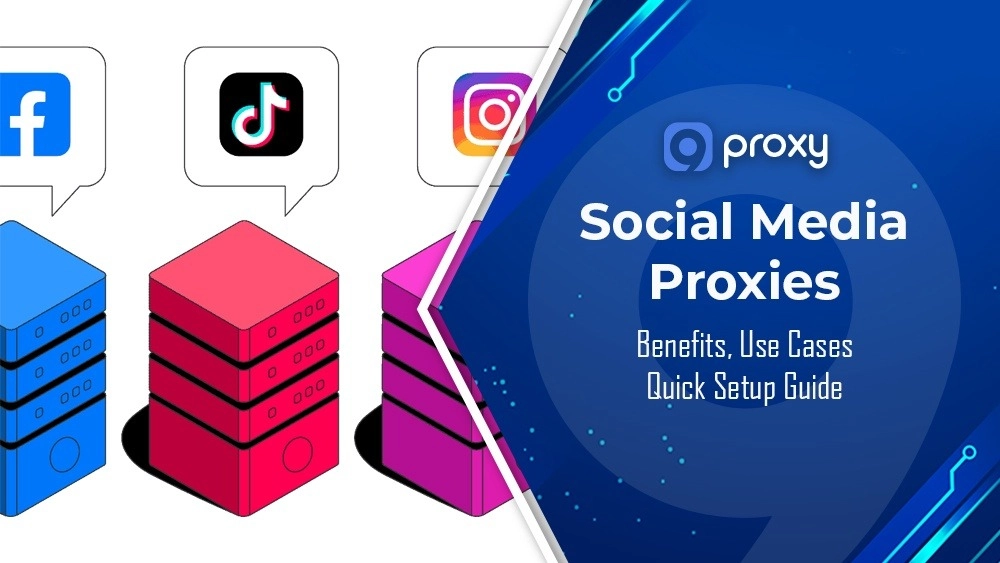
Social media proxies are essential tools for anyone managing multiple accounts, running automated tasks, or accessing restricted content on platforms like Facebook, Instagram, or TikTok. In 2025, with social networks becoming stricter about security and account behavior, using proxies helps you stay anonymous, avoid bans, and manage campaigns safely.
This article explains what social media proxies are, why they’re important, and how you can use them effectively. You could learn how to set them up easily, avoid common problems, and choose the right type for your needs. If you want to automate actions or reach more international customers, this guide will help you do it safely and efficiently.
What Is a Social Media Proxy?
A social media proxy is a specialized proxy server that acts as an intermediary between your device and social media platforms. It hides your real IP address by routing your connection through a third-party IP, allowing you to appear as if you’re accessing the platform from a different location.
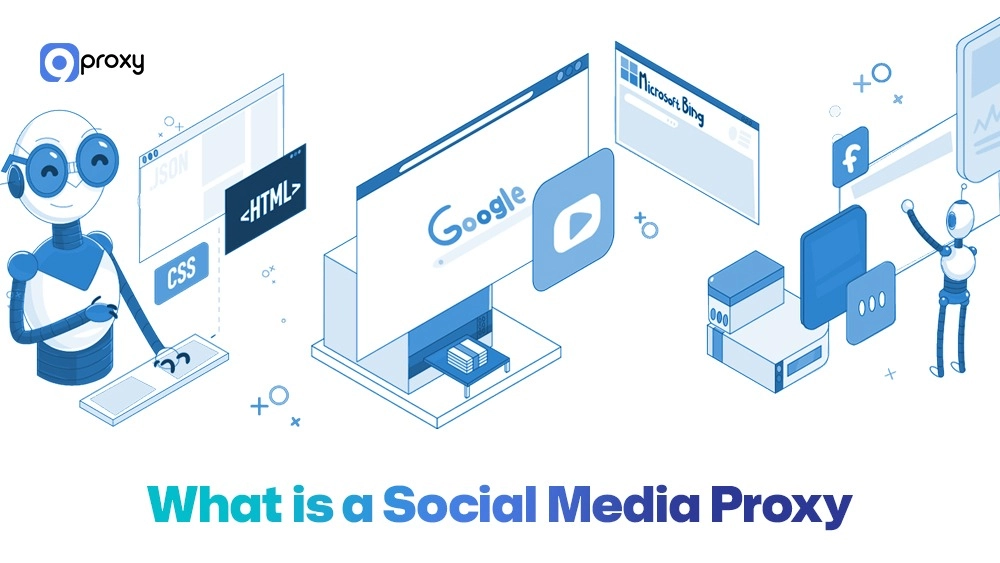
Unlike general proxies, social media proxies are specifically optimized to bypass platform-specific restrictions and anti-bot systems on sites like Facebook, Instagram, LinkedIn, and TikTok. This makes them ideal for managing multiple accounts, automating tasks, accessing geo-restricted content, and avoiding bans. You can even configure a proxy server ps4 or other devices to enhance your online privacy when using social or gaming platforms.
Why You Need a Social Media Proxy?
In 2025, managing social media effectively requires more than just good content. Whether you’re a business, marketer, or data analyst, social media proxies play a key role in helping you stay secure, flexible, and compliant across platforms. Here’s why they matter.
Avoiding Bans and CAPTCHA
Social media platforms like Facebook, Instagram, and TikTok detect unusual behavior, such as logging into multiple accounts from a single IP address. This often triggers temporary bans or CAPTCHA challenges. A social media proxy helps by assigning a different IP address to each session, making your activity appear natural and reducing the risk of being flagged or blocked.
For example, when managing multiple Facebook profiles or running ads, using a dedicated Facebook proxy allows each account to connect from a clean, consistent IP, reducing verification requests and sudden login restrictions.
Managing Multiple Accounts
Agencies, marketers, and business owners often need to manage several accounts for testing, campaigns, or client work. Using one IP across all accounts increases the risk of detection.
With social media proxies, each account operates under a separate IP address, allowing you to work securely and without interference. This setup is especially useful for platforms with strict monitoring, such as Instagram, where a stable Instagram proxy helps keep account activity consistent and less likely to trigger security reviews.
For advanced multi-account management, pairing proxies with an antidetect browser provides additional fingerprint masking and session isolation, making it even harder for platforms to link accounts together.
Geo-Targeting and Accessing Blocked Content
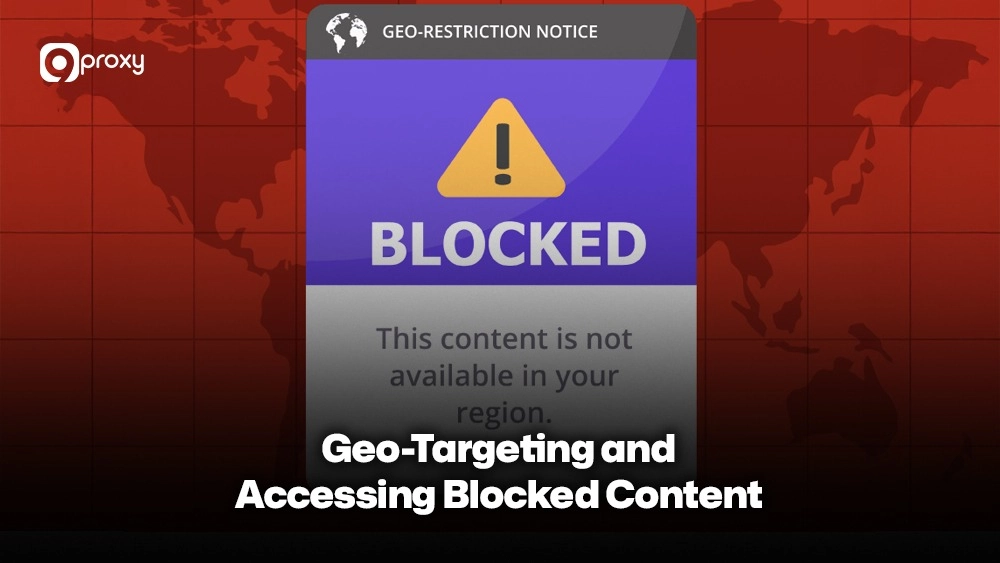
Some content, ads, or features are only visible in specific countries or regions. Social media proxies allow you to connect through IP addresses in different locations, giving you access to geo-restricted content.
This is especially helpful for running local campaigns or conducting market research abroad. For example, businesses targeting users in India often rely on region-specific IPs to analyze trends and engagement from that market. Using a reliable India residential proxy allows you to view social media content exactly as users in India see it, helping you evaluate ads, hashtags, and audience behavior more accurately.
It also applies to platforms with regional restrictions, where tools like a TikTok proxy make it possible to view trends, ads, and features available only in certain countries.
Automating Social Media Tasks
Automation tools like Jarvee, Hootsuite, and others make it easier to manage engagement, schedule posts, or grow your audience. However, automation can raise red flags without proper masking.
Using social media proxies ensures each task runs through a unique IP, helping avoid detection by platform algorithms. Those managing gaming-related communities or esports accounts often look for the best proxy server for gaming to keep automation smooth and undetectable.
Beyond social media, proxies serve various specialized functions across different industries-marketers running campaigns often need proxies for affiliate testing to verify ad placements and track conversions from multiple geos without triggering fraud detection systems.
Strengthening Privacy and Security
Each time you connect to a platform, your real IP is exposed. For professionals managing sensitive accounts or handling confidential data, this poses a privacy risk. A social media proxy masks your identity, protecting your information and shielding your device from potential attacks.
Enhancing Data Scraping
If you’re collecting data for research, monitoring trends, or tracking competitors, platforms often restrict how much data one IP can access. Social media proxies rotate your IP addresses automatically, allowing you to scrape data at scale without hitting rate limits or being blocked.
Types of Social Media Proxies
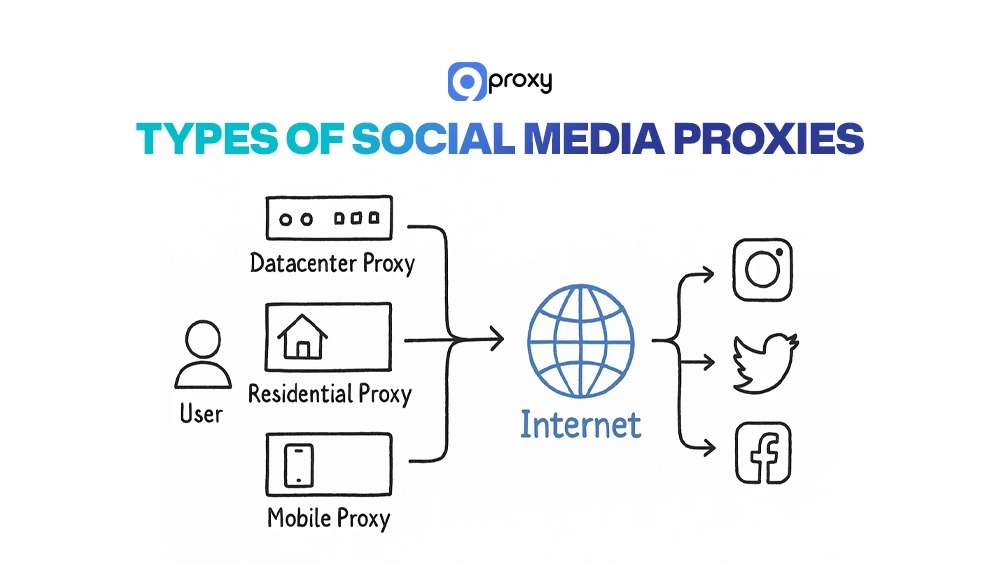
Understanding which type of proxy fits your use case helps you avoid bans and improve success rates:
- Residential Proxies: Use IPs from real homes, making them appear highly trustworthy to platforms. 9Proxy is one of the most trusted providers of residential proxies, offering high success rates and extensive geographic coverage.
- Datacenter Proxies: Fast and cost-effective, but more likely to be detected and blocked. Useful for scraping and low-risk platforms.
- Mobile Proxies: These route traffic through mobile networks (3G/4G/5G). Platforms like Instagram and TikTok favor mobile IPs, making these ideal for those apps.
Use Cases by Platform
Choosing the right proxy for each social media platform is key to avoiding bans, increasing efficiency, and automating tasks safely. The table below outlines the security level of each platform and the best proxy types to use:
As you can see, different platforms have different rules, detection levels, and automation limits. Matching the right proxy type to the platform’s security helps protect your accounts and ensures stable performance.
Understanding diverse applications across industries helps you select the right infrastructure-exploring different proxy use cases shows how proxies support not just social media management but also web scraping, market research, and brand protection strategies.
How to Set Up a Proxy for Social Media
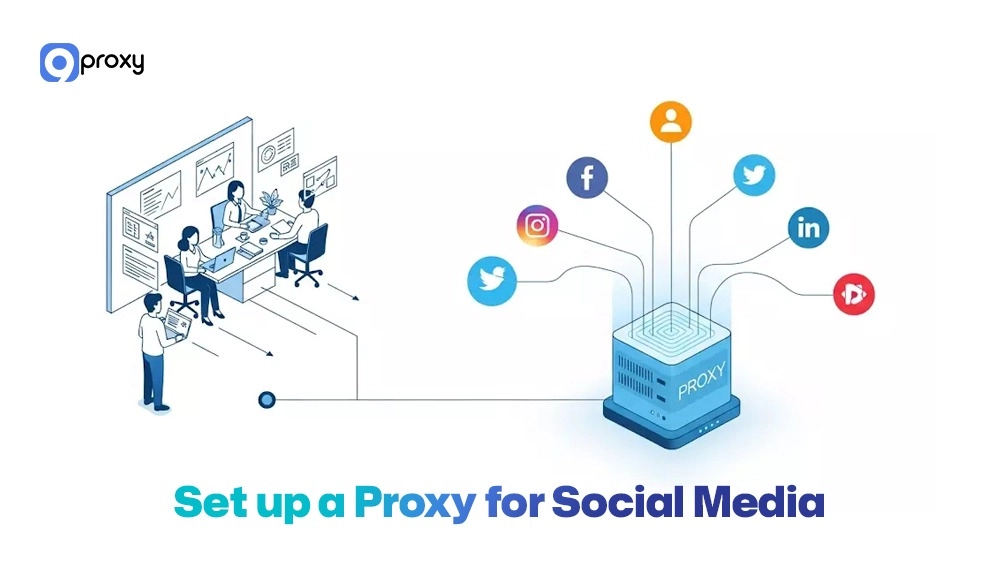
Getting started with a social media proxy is easier than it sounds. By following a few simple steps, you can protect your identity, manage multiple accounts safely, and improve automation. Below is a step-by-step guide to help you set things up correctly and avoid common mistakes along the way.
Step 1: Select a Proxy Plan
Choose a reputable proxy provider and pick a plan matching your needs. Consider the number of proxies you need, bandwidth requirements, and geographic coverage. Start with a smaller plan to test before scaling up.
Step 2: Configure the Proxy
Get your proxy details (IP, port, username, password) from your provider. On your device or in your software, go to network settings and enter the proxy information. For browsers, use proxy extensions. For automation tools, configure proxy settings in the application.
Step 3: Test the Proxy
Visit an IP-checking website to confirm your IP appears as the proxy’s address, not your real one. Log in to a social media platform to verify it works. Test on multiple platforms if you’re using them.
Step 4: Use the Proxy
Once verified, you can manage social media accounts through the proxy. Monitor performance and rotate IPs periodically. Always follow the platform’s terms of service to avoid bans.
Risks and Legal Considerations
When using social media proxies, it’s important to understand the legal and ethical rules involved. Each platform has its own terms of service, and many do not allow things like automation tools or managing multiple accounts without permission. If you break these rules, your account could be permanently suspended.
You also need to consider data privacy. Make sure your proxy provider has strong security standards and does not keep records of your online activity. Never use proxies for illegal purposes such as scams, fake followers, or online harassment. The key difference between acceptable and unacceptable use is your intent. If you’re using proxies for legitimate purposes like managing client accounts or doing market research, that’s generally fine. But using them for spam or fraud is not allowed.
Common Issues When Using Social Media Proxies and How to Fix Them
Proxy Connection Failures
This usually happens when your proxy credentials (username, password, IP, or port) are incorrect, or the proxy server is temporarily down.
Solution: Double-check that you’ve entered the correct login information. Try connecting on another device to rule out local errors. If it still doesn’t work, contact your proxy provider for support.
Slow Internet Speed
Using a proxy can sometimes slow down your connection. This often occurs when the proxy server is located far from you or if the server is overloaded with users.
Solution: Pick a server location closer to your region. Choose a provider with a stronger infrastructure or consider upgrading to a faster proxy plan for better performance.
Account Still Getting Banned
Even with a proxy, social platforms may ban your account if your activity looks suspicious, like performing too many actions too quickly.
Solution: Avoid mass actions. Spread out your activity naturally. Use residential proxies instead of datacenter ones, as they are less likely to be flagged. Rotate IP addresses regularly and always follow the platform’s usage rules.
IP Address Already Blocked
Sometimes, the IP address you’re using with the proxy is already blacklisted by the platform due to past misuse.
Solution: Contact your provider and ask for a new IP. You can also switch to a different proxy plan or rotate to a fresh IP from the provider’s available pool to solve the issue.
9Proxy: Best Social Media Proxy Providers
9Proxy offers high-quality residential proxies designed for performance, privacy, and automation.
Clean Residential Proxy Pool
Gain access to IP addresses across 90+ countries, allowing you to simulate real-user connections from many regions. With a wide range of proxy locations available, you can select IPs that match your target audience, making it easier to run localized campaigns, monitor region-specific trends, or test how social media content appears in different markets.
Unlimited Bandwidth, Pay per IP
Unlike other providers that charge by bandwidth, 9Proxy follows a per-IP pricing model. This allows unlimited data usage, making it ideal for tasks that require heavy traffic, such as data collection, MMO, and geo-targeted browsing. Starting from just $0.04/IP.
Quick Setup, Easy Use
Get started in minutes with user-friendly dashboards. Works smoothly with tools like Jarvee, Hootsuite, AdsPower, and Multilogin. You can search and filter proxies by country, city, ZIP code, and ISP.
9Proxy is more than a proxy provider; we’re your trusted partner for secure, smart, and scalable social media success.
FAQ
Free vs Paid Social Media Proxies: What’s the Difference?
Free proxies are slow, unstable, and often blocked. They may also track your data, causing security risks.
Paid proxies like those from 9Proxy are faster, safer, and more reliable. You get better performance and support, which helps prevent account bans.
How to Choose the Right Proxy for Social Media
Choosing the right proxy is key to staying safe and effective on social media, as different tasks require different proxy types, so matching them correctly can make all the difference.
- Use residential proxies for important accounts (Facebook, Instagram).
- Use datacenter proxies for low-risk tasks.
- Choose a provider with IPs in your target country.
- Start with a small plan to test before scaling up.
Can Using Social Media Proxies Lead to Account Suspension?
Yes, if used incorrectly. Bans happen when your actions seem unnatural or break platform rules. Use residential proxies, rotate IPs, space out actions, and follow each platform’s terms.
How Often Should I Change My Social Media Proxy?
Changing your proxy too often can be as risky as not changing it at all, and the right rotation strategy depends on how you’re using your social media accounts.
- Account creation: change every few accounts
- Daily use: rotate every 1-7 days
- Engagement/posting: keep one IP per account
- Not changing too often because it can also raise suspicion.
Conclusion
Social media proxies are a helpful tool if you’re managing many accounts, automating tasks, or accessing content from different countries. With platforms like Facebook, Instagram, and TikTok getting stricter in 2025, using the right proxy helps you avoid bans, stay anonymous, and work more smoothly.
To get the best results, choose the right type of proxy for each platform, rotate IPs when needed, and always follow the platform’s rules. Residential and mobile proxies are usually the safest and most reliable options.
If you want to save time, protect your accounts, and grow faster online, using a trusted provider like 9Proxy is a smart move. Their proxies are easy to set up, work with popular tools, and are built for performance and privacy. For more detailed guides, tutorials, and expert insights on social media strategies and proxy configurations, visit Blog9Proxy.