

Proxy vs VPN is a common question because both tools can hide your IP address, but they do not work the same way. Some users need quick IP changes for one app, while others need encrypted protection for the whole device.
That's why 9Proxy will compare them in clear language so you can understand what each tool does, where each one fits, and what trade-offs to expect. By the end, you could know when a proxy is the better choice, when a VPN makes more sense, and which option best fits your needs.
What Is a Proxy Server & How Does It Work?
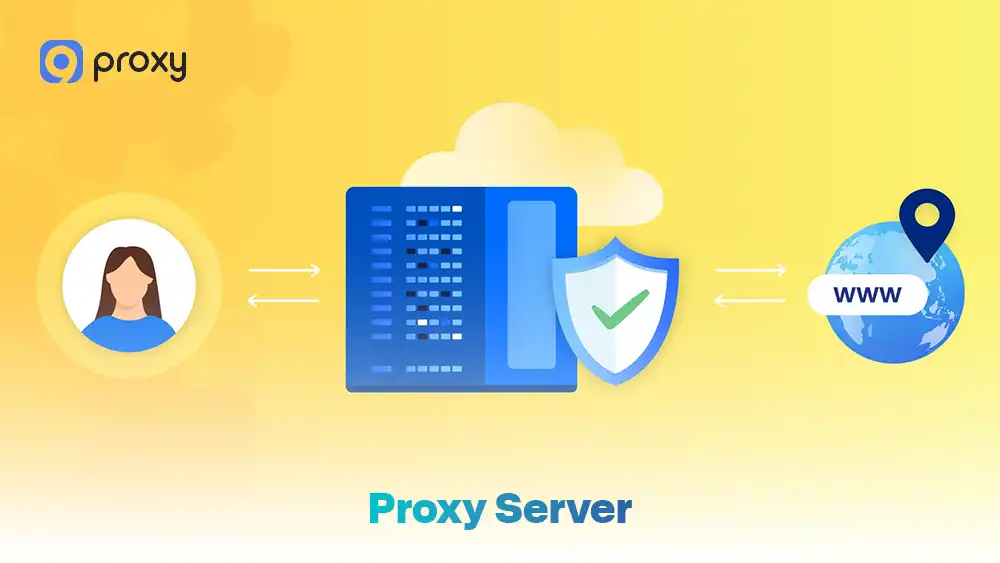
A proxy server is a middle layer between your device and the internet. Instead of connecting directly to a website, your browser or app sends the request to the proxy first. The proxy then forwards the request, receives the response, and sends it back to you. Because of this process, the website only sees the proxy’s IP address, not your real one.
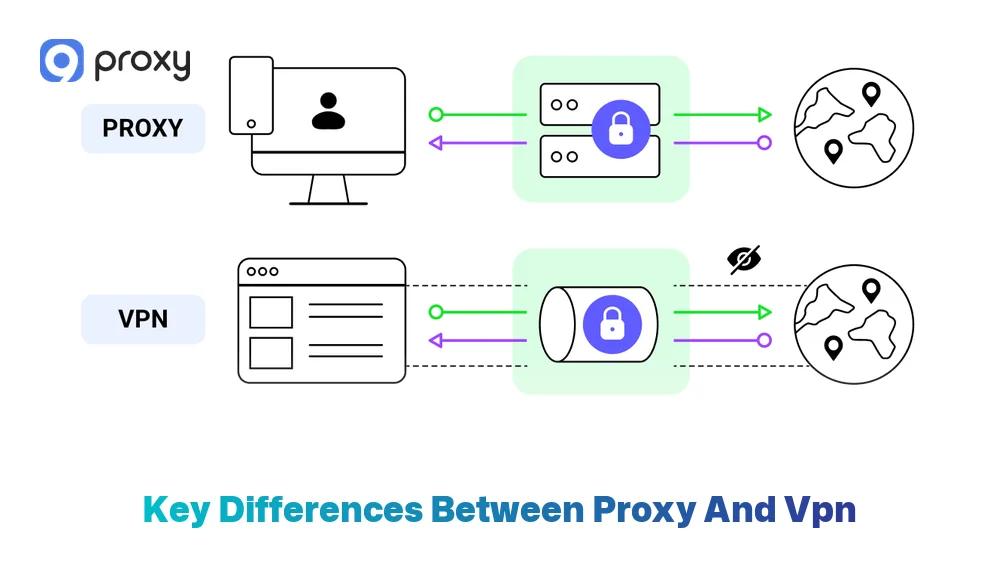
Most proxy servers work at the application level, meaning they only affect the specific browser or app where they are set up. It is also important to know that most proxies do not encrypt your data. They help hide your IP address and change your online location, but they do not provide strong security for your traffic.
For a comprehensive technical breakdown of proxy architecture and functionality, understanding what is a proxy server helps clarify how these intermediary systems route traffic, manage requests, and differ from other network tools.
What Is a VPN & How Does It Work?
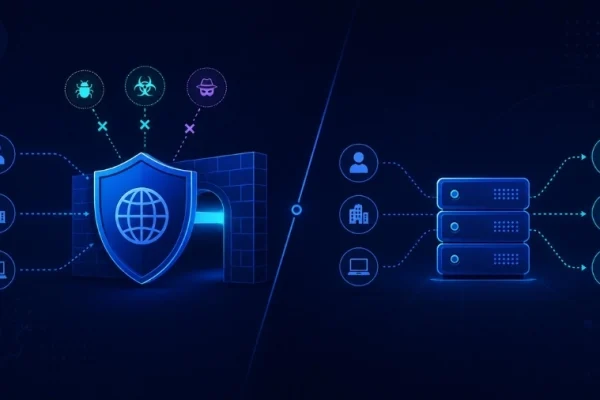
A VPN (Virtual Private Network) creates a secure, encrypted tunnel between your device and the internet. Instead of sending data directly, all your traffic goes through a VPN server first, which hides your real IP address and protects your data from being seen by hackers or your Internet Service Provider.
Unlike a proxy, a VPN works at the system level, meaning it covers your entire device, including your browser, apps, and background activity. Its main advantage is encryption, which makes your data unreadable to others. This is why VPNs are widely used for public Wi-Fi, travel, and anyone who needs stronger privacy and security online.
Key Differences Between Proxy and VPN
While both tools change your IP, the difference between Proxy and VPN involves how they handle your data and which parts of your device they protect. We have broken down these technical distinctions into simple categories below.
Proxy vs VPN: Side-by-Side Comparison Table
The comparison below helps you understand how Proxy vs VPN differ in real situations, so you can choose the option that fits your needs better.
| Feature | Proxy Server | VPN |
| IP Masking | Yes | Yes |
| Encryption | No by default | Yes |
| Protection Scope | Application-level | OS-level |
| ISP Visibility | ISP can still see the traffic type and destination | ISP sees only encrypted data going to the VPN server |
| Privacy Level | Moderate | High |
| Speed Impact | Generally faster | Slight overhead from encryption; modern protocols like WireGuard largely minimize this |
| Setup Style | Manual per app or browser in most cases | Simple one-click app-based setup in most cases |
| Cost | Often cheaper; many free options available | Typically requires a paid subscription for reliability |
| Best Fit | Web scraping, automation, testing, geo-targeted tasks, and multi-account management | Public Wi-Fi, remote work, travel, online banking, and daily privacy |
This comparison shows that a proxy is a simple tool mainly used to change your location, while a VPN is a more advanced solution designed to protect your data and provide stronger overall security.
Encryption and Security
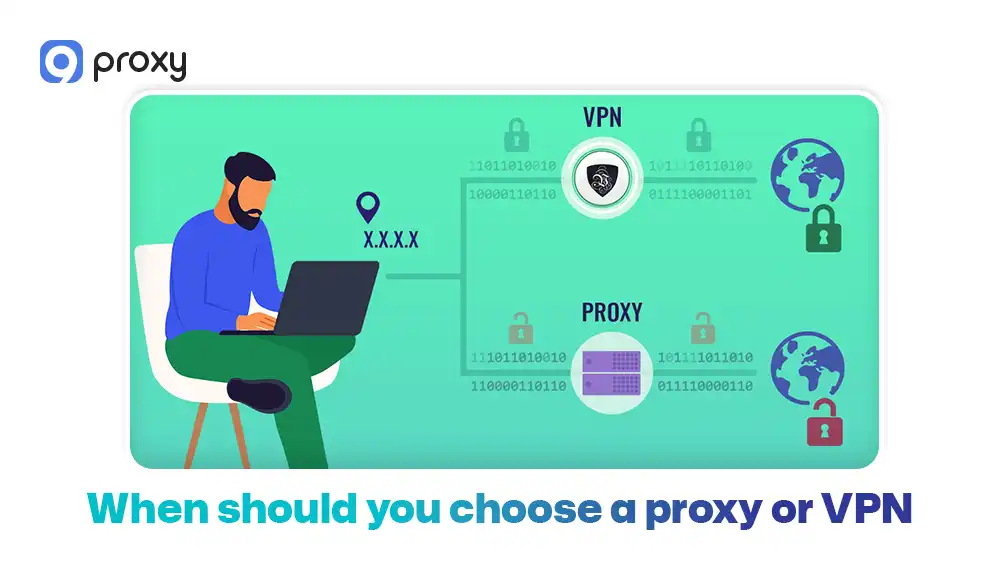
The biggest difference between Proxy vs VPN is how they handle encryption. Most standard proxies simply route your traffic through another server, while VPNs encrypt the data between your device and the VPN server. This extra protection is especially important on public or shared networks, where your data could be exposed.
For users specifically concerned about staying hidden online, understanding anonymous proxy vs anonymous vpn reveals how each technology masks identity differently-proxies hide your IP at the application level, while VPNs encrypt all traffic and conceal activity from ISPs and network monitors.
That said, not all VPNs are fully secure, and not all proxies are risky. The key point is that they are built with different security approaches. If protecting your data is your main goal, the difference between Proxy and VPN becomes very important.
Protection for Whole Device vs Protection for One App
Another major part of Proxy vs VPN is coverage. A proxy usually applies only where you set it up, such as a browser, automation tool, or one specific app. If another app is not using that proxy, its traffic may still go out normally.
A VPN is different because it usually routes traffic for the whole device through the VPN tunnel. For users who do not want to manage settings app by app, this can be much simpler.
In enterprise environments, VPNs are also compared with other network security layers, exploring vpn vs reverse proxy shows how VPNs secure client-to-server connections for remote access, while reverse proxies manage inbound traffic to protect backend infrastructure.
Privacy and Logging
Neither tool automatically guarantees privacy. Both proxy and VPN providers can still log your activity, and if the setup is not done properly, your data can still be exposed. That’s why factors like provider trust, logging policies, and where the company operates are just as important as the tool you choose.
When comparing Proxies vs VPN, it’s important to look beyond just hiding your IP address. True privacy depends on how your data is handled, not just whether your IP is masked.
Speed and Performance
Speed is not as simple as saying a proxy is fast and a VPN is slow. A VPN can be slightly slower because it encrypts your data, but a high-quality VPN with strong servers can still deliver good performance. On the other hand, a proxy may feel faster, but its speed depends on factors like server quality, distance, and how many users are sharing it.
In real use, Proxy vs VPN performance depends more on the provider and setup than the tool itself. That’s why testing different options is important if speed is your main concern.
Ease of Setup and Daily Use
A proxy can be very convenient when you only need it for one tool. But it may require manual settings, port details, authentication, or browser-level changes. This is fine for technical users, though less friendly for beginners.
VPNs are often easier for normal users because many providers offer simple apps for desktop and mobile. Once connected, the device is covered without much extra setup. That is one reason the Proxy server vs VPN choice often comes down to control versus convenience.
Proxy vs VPN: Benefits & Drawbacks
Choosing between a Proxy server vs VPN depends on what you actually need to do. Each option has its own advantages and limitations, so the right choice comes down to your specific use case.
The table below outlines the practical advantages and disadvantages of each technology to help you decide.
| Type | Benefit | Drawback |
| Proxy | Can change the visible IP for one app or browser | Usually does not encrypt traffic |
| Supports session control and IP rotation | App-level setup can be more complex | |
| VPN | Encrypts traffic and hides your IP address | May reduce speed depending on server quality |
| Protects the whole device connection | Less flexible than app-specific proxy routing | |
| Both | Helps access location-based content | Not fully private if the provider logs data |
Proxy vs VPN is not about one tool always winning. It is about matching the tool to the job. Proxies usually win on control and workflow flexibility. VPNs usually win on encryption and broad everyday protection.
Choose Proxy or VPN Based on What You Need
The easiest way to decide is to start with your real goal. If you need one app to use another IP, a proxy may be enough. If you need secure traffic across the whole device, a VPN usually makes more sense.
For professionals evaluating which technology best serves their workflow, exploring why use proxy instead of vpn clarifies scenarios where proxies offer better speed, granular control, and IP rotation for automation, scraping, and multi-account tasks where full-device encryption isn’t necessary.
When to Use a Proxy
A proxy is a better choice when you only need to change your IP address for a specific task without affecting your entire device. It is commonly used in situations where flexibility and control are more important than full security, such as:
- Web scraping: Collecting large amounts of data from websites
- Social media management: Running multiple accounts without getting flagged
- Automation: Using bots or scripts that need fast IP switching
- Testing: Checking how a website appears from different locations
For businesses tracking search engine rankings across different locations, deploying proxies for seo enables accurate SERP monitoring, keyword position tracking, and competitor analysis without triggering anti-bot measures or regional restrictions.
Similarly, for digital advertising campaigns, using proxy for google ads helps verify ad placements, check competitor strategies, and test campaigns from different geographic locations without skewing analytics or triggering account flags.
When to Use a VPN
You should choose a VPN when your main goal is security and protecting your data across all your online activities. It is especially useful when you want full-device protection instead of just changing your IP for one task. A VPN is best suited for:
- Public Wi-Fi: Keeping your data safe when using networks at cafés or airports
- Remote work: Securing your connection to company systems and sensitive data
- Personal privacy: Preventing your ISP from tracking your browsing activity
- Bypassing restrictions: Accessing information more safely in restricted regions
When You May Need Both Proxy and VPN
It is possible to use both a proxy and a VPN together, but most users do not need this setup. It is usually used in more advanced cases, such as layered routing, testing, or specific workflows where one tool alone is not enough.
However, this approach also has downsides. It can make your setup more complex, reduce speed, and make issues harder to fix. In most situations, choosing the right single tool is simpler and more effective.
FAQs
Is a VPN Safer Than a Proxy?
Yes, in most cases. A VPN encrypts your data, protecting it from interception, including by your ISP. Most proxies do not encrypt traffic. However, safety also depends on the provider’s policies, logging practices, and overall reliability.
Can a Proxy Replace a VPN?
Only in limited cases. A proxy works well for changing your IP in one app or browser. But it cannot replace a VPN when you need full-device protection, especially for public Wi-Fi, sensitive data, or secure remote access.
Why Do Some Websites Block Proxies but Not VPNs?
Websites often block traffic based on IP reputation and behavior. Datacenter proxy IPs are easier to detect, while VPNs can also be blocked if widely used. Residential IPs are harder to detect because they look like normal user traffic.
Which Is Better for Streaming: Proxy or VPN?
It depends on your goal. A VPN is better for privacy and secure streaming. A proxy may offer faster speeds for simple tasks. However, performance depends on server quality, IP reputation, and the strictness of the platform’s detection system.
Conclusion
In the comparison of Proxy vs VPN, there is no single best option, only the one that fits your needs. A proxy is ideal for speed and specific tasks, while a VPN is better for full-device security and privacy.
We recommend choosing based on whether you want to protect one app or your entire connection. Using a reliable provider is also important to keep your data safe. If you want fast and flexible IP control, you can explore the residential proxy solutions of 9Proxy.
Making the right Proxy vs VPN choice is a key step toward a safer online experience. For more detailed guides, tutorials, and expert insights on proxy configurations and network security, visit Blog9Proxy.