

Residential Proxy Ad Verification helps marketers see where and how ads actually appear to real users, not automated scanners. Many traditional monitoring tools fall short because fraudsters rely on cloaking, geo-targeting tricks, and bot traffic. As a result, the data shown in dashboards often doesn’t reflect what real people experience online.
That’s where residential proxies come in. By using IPs from real households, they simulate natural human browsing and reveal how ads are truly delivered across different locations and devices. In this guide, we’ll explain what ad verification really means, why it doesn’t work without the right proxies, and which 10 providers offer the best balance of accuracy, speed, and compliance.
What Is Ad Verification and Why Does It Fail Without Proper Proxies?
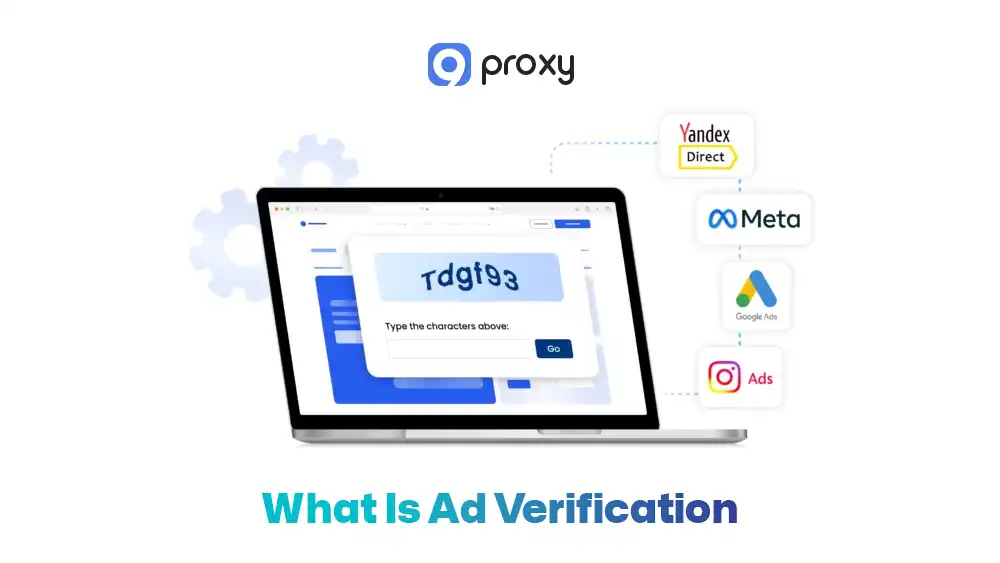
Ad verification is the process of making sure digital ads are shown in the right place, to the right audience, and in the correct format without fraud. It focuses on four core areas: viewability, brand safety, geo-compliance, and fraud detection. Without proper verification, ad budgets can be wasted on invisible placements or fake bot traffic.
The challenge is that many fraudsters use cloaking to deceive standard monitoring tools. They display clean, legitimate ads to scanners or datacenter IPs, while showing misleading or harmful content to real users. Residential proxies solve this by mimicking real consumer traffic, allowing advertisers to see ads exactly as a real person in Paris, New York, or any target location would see them in real time. This is why many teams now rely on a trusted residential proxy network instead of traditional datacenter IPs for ad monitoring and fraud detection.
How Residential Proxies Help Ensure Ad Accuracy Across Locations
Residential proxies act like a reliable “local visitor” for advertisers. Because these IPs come from real home internet connections, they let us see ads exactly the same way real users do in cities like London, Tokyo, or New York.
With residential proxies, we can:
- Check regional delivery: Confirm that local ads are running on schedule in specific cities or countries.
- Detect targeting mistakes: Identify cases where ads meant for the UK accidentally appear in Australia or other regions.
- Reveal cloaked ads: Bypass filters that fraudsters use to hide misleading or low-quality ads from automated scanners.
For example, a team based in California can use a residential proxy to view an ad campaign targeted at London users and quickly verify that the language, currency, and content are displayed correctly.
Which Type Proxies Works Best for Ad Verification?
Selecting the right proxy type is critical for data integrity. While datacenter IPs are fast, they are often flagged by ad networks as “non-human,” leading to biased results or immediate blocks.
The table below compares the most common proxy types used in the industry to help you decide which fits your workflow.
| Proxy Type | IP Trust Level | Geo Accuracy | Block Risk | Ideal Use Case |
| Residential | High – real home IPs | City/ZIP-level | Low | Full ad verification, brand safety |
| Datacenter | Low – server IPs | Country-only | High | Bulk scraping, QA tests |
| Mobile | Very High – carrier IPs | ASN/carrier-level | Very Low | In-app & social ad checks |
| ISP (Static Residential) | High – ISP-assigned IPs | City-level | Low | Long sessions, video ads |
Residential proxies provide the best overall option for ad verification because they balance stability, trust, and authenticity. Datacenter IPs may be fast, but they are often flagged by ad networks as automated traffic, which can distort verification results. Teams managing large paid campaigns often combine verification systems with a dedicated proxy for Google Ads setup to reduce account instability and improve regional testing accuracy.
If you want a clearer technical breakdown of the differences in trust level and detection risk, reviewing datacenter vs residential proxy can help you understand why residential IPs are more reliable for ad audits. ISP proxies work well for long sessions, while mobile proxies are useful for in-app and carrier-specific validation.
Key Features to Look for in a Residential Proxy for Ad Verification
When choosing a provider, focus on features that help your ad checks run accurately and without interruptions.
- Geo-Targeting Control: You should be able to choose IPs by country, city, or ASN so you can see ads exactly as local users see them.
- Ethically Sourced IP Pool: Clear and ethical IP sources help you avoid risky networks and stay compliant with regulations.
- Rotating & Sticky Sessions: Use rotating IPs to check ads in many locations, and sticky sessions when you need the same IP for longer ad journeys.
- Speed & Reliability: Fast connections reduce loading issues and make sure ads display fully.
- Dashboard or API Access: A simple dashboard or API makes it easier to manage proxies, automate checks, and track results.
These features help you get more reliable ad verification results and avoid misleading data. Many advertisers also follow updates from Blog9Proxy to compare proxy infrastructure, targeting accuracy, and anti-detection workflows before selecting a provider.
How to Evaluate Residential Proxy Providers
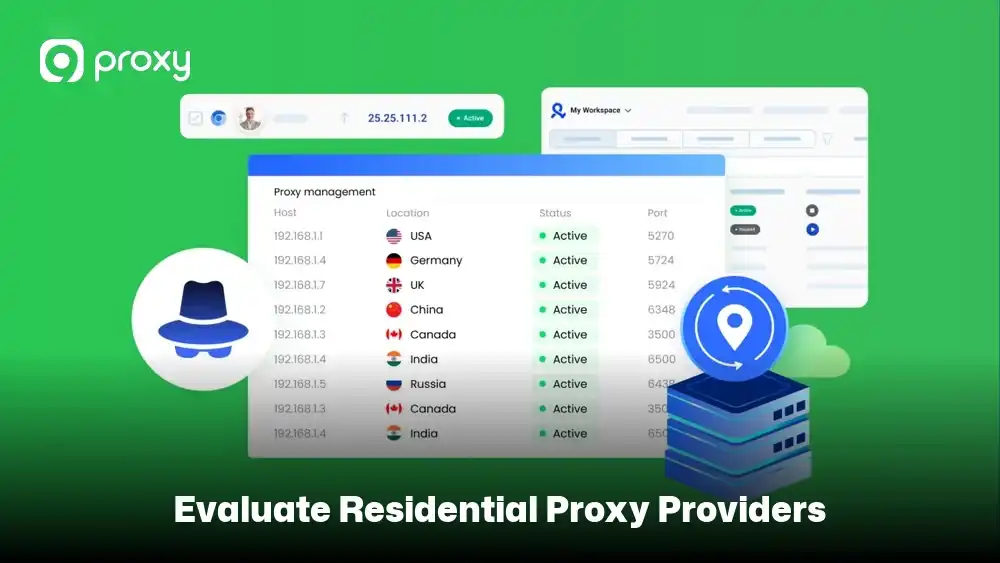
Before you invest in a proxy provider, take time to compare vendors based on a few essential factors. These points will directly affect how reliable and accurate your ad verification results are.
- Speed & Uptime: Look for providers that guarantee at least 99% uptime. Fast and stable connections help ads load correctly and prevent failed checks or missing creatives during verification.
- Geo Coverage: The more countries and cities a provider supports, the easier it is to validate ad delivery across different markets. Wide geo coverage lets you confirm that campaigns reach the right audience in every target region.
- Ethical IP Sourcing: Make sure the IPs are obtained from consenting users through transparent methods. Ethical sourcing reduces legal risks and helps avoid blacklisted or low-quality IPs.
- Rotation Management: Flexible rotation settings allow you to change IPs at the right pace. This helps avoid bans, CAPTCHA, and detection while still keeping sessions stable when needed.
- Transparent Pricing & Support: Clear pricing with no hidden fees makes budgeting easier. Responsive customer support also saves time and reduces friction during setup or troubleshooting.
Finally, always review the provider’s data privacy policy and confirm that your verification activities comply with the platform’s terms of service (ToS). This step helps protect your brand and keeps your operations safe and compliant.
Top 10 Reliable Residential Proxy Providers for Ad Verification
There are many reliable proxy providers on the market. Some are large, enterprise-level companies, while others are newer services that offer strong performance at a more affordable price.
The table below highlights the top providers so you can quickly compare them and choose the one that best fits your campaign goals and verification needs.
| Provider | Proxy Types | Geo Coverage | Session Control | Best For |
| 9Proxy | Residential (static & rotating) | 90+ countries | Rotating & sticky sessions; full country/state/city/ISP targeting via dashboard & app | Price aggregation, SERP/SEO, market research, multi‑accounting, data scraping, ad tech |
| Oxylabs | Datacenter, Residential, ISP (static residential), Mobile | 195 countries | Rotating or sticky sessions with flexible TTL (up to 24h+) via sessid parameter & API | Enterprise‑scale web scraping, ad & price intelligence, large data collection pipelines |
| SOAX | Residential, Mobile, US Datacenter | 195+ geos | Rotating & sticky sessions with custom session length (per‑request up to 60+ minutes) | Precision geo‑targeting, anti‑bot‑heavy scraping, ad verification & local SEO across many countries |
| IPRoyal | Residential, ISP (static residential); also datacenter & mobile available | 195+ countries | Rotating & sticky sessions with configurable TTL from 1 second to 7 days | Budget‑friendly teams needing flexible session control (scraping, ad verification, multi‑accounting) |
| Smartproxy (Decodo) | Residential, Static (ISP) Residential, Mobile, Datacenter | 195+ global locations | Rotating & sticky sessions; configurable TTL (e.g., 1/10/30/60‑minute stickiness) via dashboard & API | Balanced performance & tooling for SMBs and agencies (scraping, e‑commerce, social, SEO) |
| Rayobyte | Datacenter, Residential, ISP, Mobile | Up to 150+ countries for residential; ~30 countries for many static IP products | Rotating & static options; configurable rotation windows (approx. 10–120 minutes) via dashboard/API | eCommerce & general web data collection where mix of DC, ISP, res & mobile is useful |
| Webshare | Datacenter, Rotating Residential, Static Residential (ISP‑like) | Up to 195 countries for residential; ~50+ countries for many datacenter plans | Rotating and sticky sessions; IP rotation & session length configurable for residential proxies | Individuals & SMBs needing affordable datacenter and residential proxies for scraping, SEO, social, etc. |
| ProxyEmpire | Rotating Residential, Static Residential (ISP), Mobile, Datacenter | 170+ countries for residential & mobile | Long‑lived sticky sessions (single node up to ~60 minutes) plus configurable rotation intervals | Continuous monitoring, long‑running scraping & brand/ad verification campaigns needing long sessions |
| Shifter | Residential, Datacenter; plus Tier‑1 ISP‑style options | Worldwide coverage | Rotating backconnect residential proxies plus on‑demand (non‑rotating) proxies; customizable rotation & unlimited sessions | Bulk, high‑concurrency data collection where global coverage & unlimited sessions matter |
| Storm Proxies | Rotating Residential, Backconnect (mix of residential + datacenter), Private Datacenter | Residential rotating pool limited to US & EU | Auto‑rotation every request or every 3–5 minutes (residential); 3‑min and 15‑min gateways for DC proxies | Budget scraping & quick tests where unlimited bandwidth matters more than precise geo‑targeting |
This list includes some of the most stable and reliable providers available today. We recommend starting with a small trial so you can check the speed and success rate on your own target websites before committing to a larger plan.
9Proxy
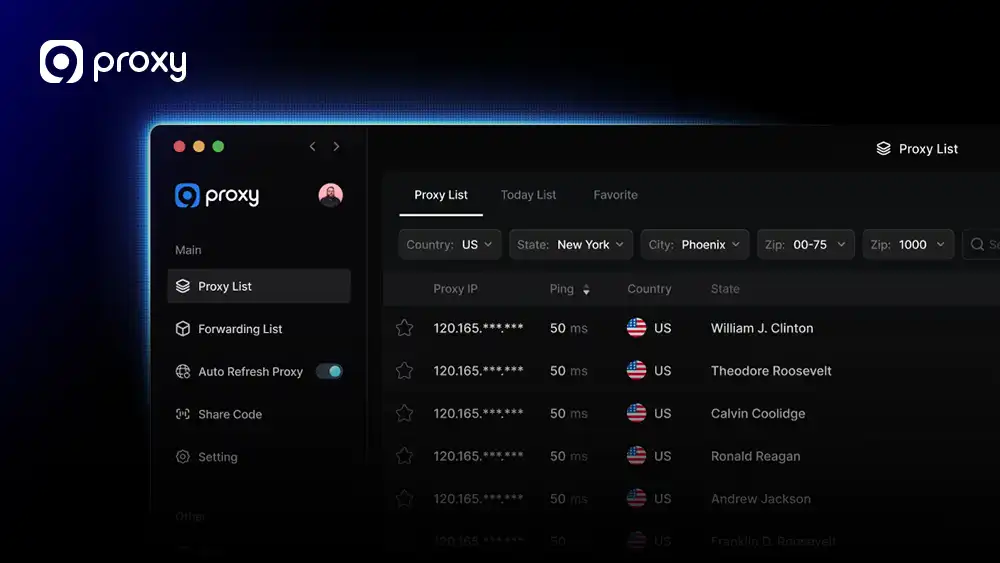
9Proxy offers a large and carefully maintained pool of clean residential IPs, making it a strong choice for sensitive ad audits where accuracy really matters. Our platform is built for teams that need consistently high success rates, but don’t want to pay the high costs usually associated with enterprise-only solutions.
- Features: Over 20 million clean residential IPs across 90 countries, 99.95% uptime, and an intuitive dashboard.
- Pros: You get access to a clean and reliable IP pool, a dashboard that’s simple to navigate even for new users, and responsive 24/7 customer support that helps resolve issues quickly.
- Cons: Compared to some competitors, there are fewer plans focused only on mobile-specific use cases.
- Best Use Case: Ideal for high-accuracy campaign verification, especially when detecting cloaked ads or validating how creatives appear to real users across different regions.
Oxylabs
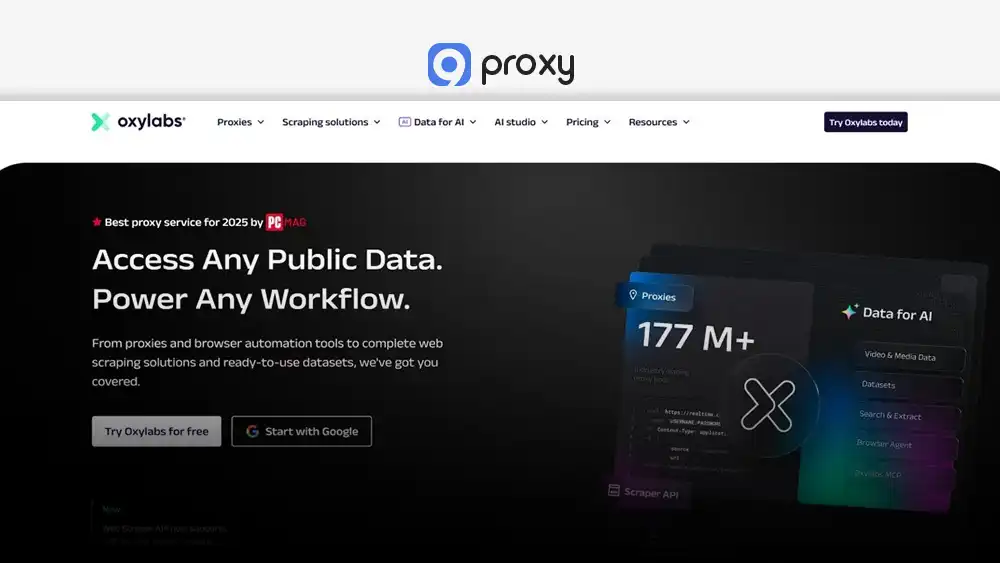
Oxylabs is a good option for large companies that need a high scale and strong legal protection. It is built for enterprise environments where accuracy, compliance, and reliability are critical. The platform includes some of the most advanced technical tools available, making it suitable for complex and high-volume operations.
- Features: Enterprise-grade proxy pool (100 M + IPs), full API integration, 24/7 support.
- Pros: It offers an extremely large IP pool and follows strict ethical sourcing standards, backed by well-known compliance certifications. This gives enterprises confidence when running sensitive or regulated ad verification work.
- Cons: The pricing is higher than most alternatives, which may be difficult for smaller teams or companies with limited budgets.
- Best Use Case: Best suited for large-scale enterprise ad fraud prevention, where compliance, scale, and long-term stability are more important than cost.
Many agencies also use these proxy networks for adjacent workflows like proxy for SEO monitoring, ad intelligence collection, and competitor visibility tracking across multiple search engines and regions.
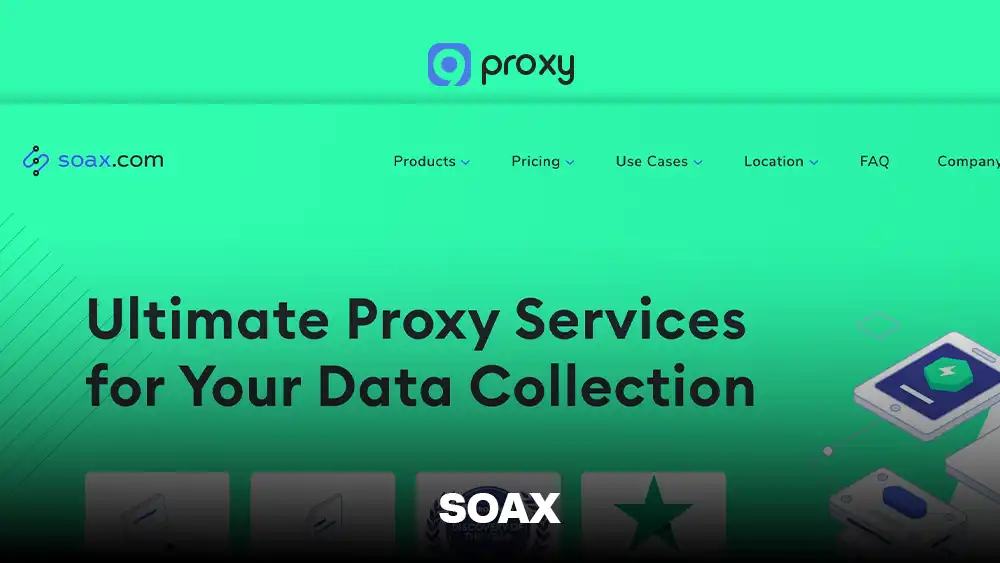
SOAX
SOAX is well known for its powerful targeting options, which allow us to select specific internet service providers in almost any country. This level of control makes it much easier to test ads exactly as local users see them.
- Features: Granular geo controls (city/ASN), rotating IPs, and a user-friendly interface.
- Pros: SOAX offers very granular targeting and a clean, easy-to-use interface that works well for both beginners and experienced teams.
- Cons: The cost can increase when you add advanced targeting options, especially for very specific locations or providers.
- Best Use Case: Best suited for carrier-specific or highly localized ad verification, where precise targeting is essential for accurate results.
IPRoyal
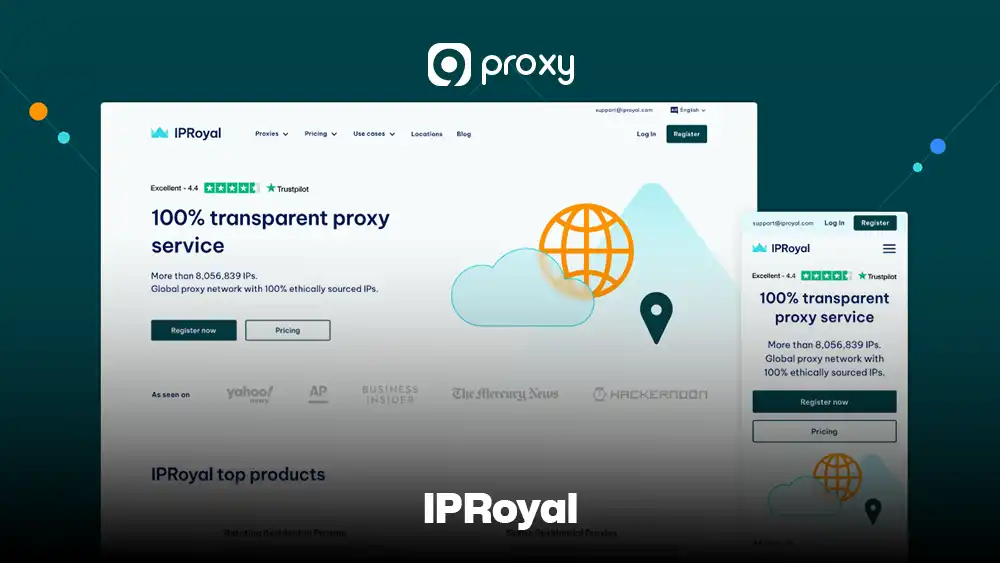
If you’re looking for a simple and cost-effective proxy solution, IPRoyal is a solid option. It’s especially attractive for teams that don’t want long contracts, thanks to its flexible pay-as-you-go pricing model.
- Features: Affordable plans, sticky sessions lasting up to 24 hours.
Pros: IPRoyal is very affordable and supports long sticky sessions, which are useful when you need to follow a full ad journey or keep the same IP during extended verification checks. - Cons: Its residential IP pool is smaller compared to large providers like Oxylabs, which can limit scale for very large campaigns.
- Best Use Case: Well-suited for small to mid-sized agency audits, pilot projects, or teams that need reliable verification without high upfront costs.
Smartproxy (Decodo)
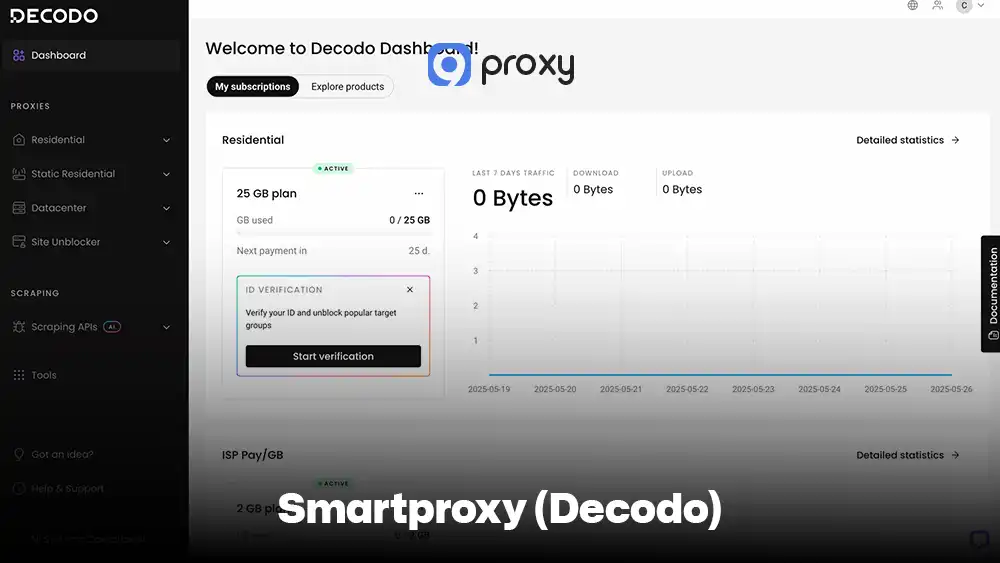
Smartproxy is well known for its high speed and easy integration, which makes it a popular choice among developers and technical teams. It works especially well for projects that rely on automation and need fast, consistent connections. Many businesses also combine these systems with an ecommerce proxy workflow to monitor pricing, localized inventory, and competitor promotions across marketplaces.
- Features: Balanced mix of price, speed, and geo coverage; multi-login support.
- Pros: Smartproxy offers excellent documentation that helps users get started quickly, along with very fast response times that improve the reliability of automated checks.
- Cons: Some advanced features, such as detailed city-level targeting, are only available on higher-tier plans.
- Best Use Case: Ideal for automated ad verification workflows, where speed, stability, and smooth integration are critical.
Rayobyte
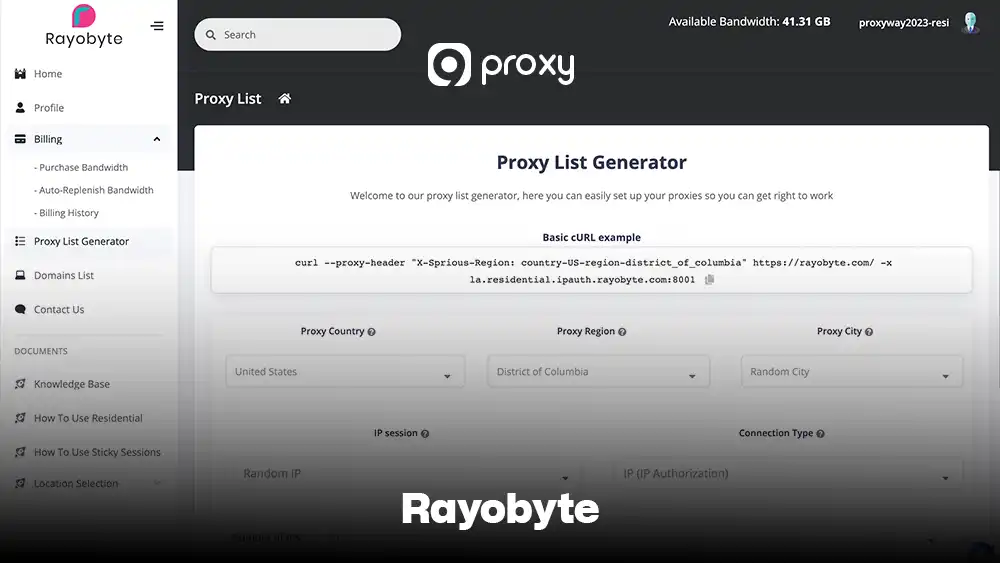
Rayobyte puts a strong emphasis on reliability and hard-to-block IPs, which makes it a good choice for accessing targets that are usually difficult to reach. It is often used when standard proxy setups struggle or get blocked too quickly.
- Features: Large residential range with affordable packages.
- Pros: Rayobyte is known for its strong commitment to ethical IP sourcing and offers responsive US-based customer support, which many teams find reassuring when handling sensitive work.
- Cons: The dashboard can feel more technical and may take extra time to learn, especially for beginners or non-technical users.
- Best Use Case: Best suited for deep-dive fraud investigations, where stability, persistence, and access to difficult targets are more important than ease of use.
Webshare
Webshare provides a fast and fully automated platform, making it a good choice for users who prefer self-service and quick deployment. The setup process is simple, so you can start running checks with minimal configuration.
- Features: Mix of datacenter and residential IPs; browser extension support.
- Pros: Webshare offers competitive pricing and a very fast setup, which is ideal when you need to get started quickly without manual support.
- Cons: The service is best known for datacenter proxies, while its residential proxy options are still expanding and may be more limited.
- Best Use Case: Best suited for quick, high-volume ad verification checks, where speed and automation matter more than advanced targeting features.
ProxyEmpire
ProxyEmpire offers a well-balanced combination of rotating and static residential IPs, along with solid global coverage across many regions. This flexibility makes it easier to test ads under different conditions without switching providers. The same infrastructure is also useful for proxies for brand protection workflows where companies monitor unauthorized ads, fake storefronts, and trademark abuse across regions.
- Features: Rotating and static residential proxies with bandwidth rollover.
- Pros: One standout benefit is rollover bandwidth, which means any unused data carries over to the next billing period, so you don’t lose what you’ve already paid for.
- Cons: Connection speed and latency can vary depending on the region you are testing, which may require additional tuning for time-sensitive checks.
- Best Use Case: Best suited for brands that need both residential and mobile ad testing, especially when campaigns span multiple countries and platforms.
Shifter
Shifter has been in the proxy market for many years and is known for operating one of the largest networks designed for high-frequency IP rotation. This makes it a strong option for tasks that require frequent IP changes across many locations.
- Features: Automatic rotation and unlimited threads.
- Pros: Shifter performs very well in high-scale rotation scenarios, allowing users to cycle through large numbers of IPs without manual effort.
- Cons: The pricing structure can be confusing at first, especially for new users who are unfamiliar with rotation-based billing models.
- Best Use Case: Best suited for broad market research and large-scale ad sampling, where constant IP rotation and wide coverage are more important than fine-grained control.
Storm Proxies
Storm Proxies is a straightforward, no-frills provider designed to get the job done at a low cost. It focuses on simplicity rather than advanced features, making it easy to use for basic proxy needs.
- Features: Simplified rotating residential proxy network with quick setup.
Pros: Storm Proxies offers simple, predictable pricing and instant access, so you can start running checks almost immediately without a complex setup process. - Cons: Its geo-targeting options are limited compared to more advanced providers like 9Proxy or SOAX, which can reduce accuracy for highly localized ad verification.
- Best Use Case: Best suited for basic ad checks on a tight budget, where affordability and ease of use matter more than deep targeting or advanced control.
Step-by-Step: Setting Up Residential Proxy Ad Verification
Setting up your system correctly is the difference between getting clean data and getting blocked. We recommend following these steps for the best results:
- Select proxy type: Use rotating residential IPs for sampling and sticky sessions for ad journey tests. In some cases, especially when you need long session stability with strong legitimacy, ISP proxies can be a better fit. If you’re unsure which setup matches your workflow, comparing ISP vs residential proxy will help you understand when static ISP IPs outperform rotating residential nodes.
- Integrate via API or dashboard: Import credentials into tools like Puppeteer or Selenium.
- Test ad URLs: Run automated scripts to capture screenshots and page content.
- Validate placements: Compare creative data with expected parameters (geo, device, language).
- Generate reports: Compile screenshots and HAR files for internal or client review.
- Automate monitoring: Schedule regular runs and track uptime to detect fraud patterns early.
Common Mistakes to Avoid When Using Residential Proxies
Even teams with years of experience can still make basic mistakes when running proxy-based automation or ad verification. These issues often don’t come from complex technical failures, but from small oversights that gradually increase detection risk, break user journeys, or cause compliance problems. Being aware of these common pitfalls helps you avoid unnecessary blocks and keep your verification process accurate and reliable.
- Reusing the same IP too often: This creates patterns that platforms can detect. To avoid this, rotate IPs regularly.
- Ignoring regional laws: This can lead to compliance problems. Always follow GDPR rules and local advertising regulations in each market.
- Using cheap or non-ethical sources: These IPs are more likely to be blacklisted. It’s safer to work with verified and trusted providers.
- Skipping session management: Without proper session control, ad journeys can break. Use sticky sessions when you need to test a full user flow from start to finish.
FAQs
Is ad verification with residential proxies legal?
Yes. Verifying how your own ads are displayed is a normal and widely accepted business practice. Advertisers use ad verification to protect their budget, ensure brand safety, and confirm that campaigns run as planned. Most reputable proxy providers make sure their residential IPs are ethically sourced and comply with privacy regulations such as GDPR.
As long as you use proxies for legitimate verification purposes and follow the platform’s terms of service, this approach is considered legal and standard across the industry.
Do I need different proxies for different platforms?
In most cases, residential proxies work well across major platforms like Google Ads, Facebook, and Instagram. They closely resemble real user traffic, which makes them suitable for web-based ad checks. However, when you need to verify ads inside mobile apps, mobile proxies can sometimes deliver better results. These proxies come from carrier networks and reflect how real mobile users experience in-app advertising.
Can proxies reduce verification accuracy?
Only if you use low-quality or easily detectable datacenter IPs. These IPs are often flagged by ad networks and may show misleading or incomplete content. High-quality residential proxies, on the other hand, improve accuracy by displaying the same ads that real users see. This helps you uncover cloaking, incorrect targeting, or hidden redirects that standard tools often miss.
Conclusion
Ad fraud is getting more advanced, so ad verification now needs to reflect what real users actually see online. By using trusted Residential Proxy Ad Verification providers like 9Proxy, you can check that ads are shown correctly, follow geo-targeting rules, and stay protected from fraud in 2026.
Choose your provider carefully, test your setup regularly, and you’ll reduce wasted ad spend while keeping your brand safe from false impressions.