

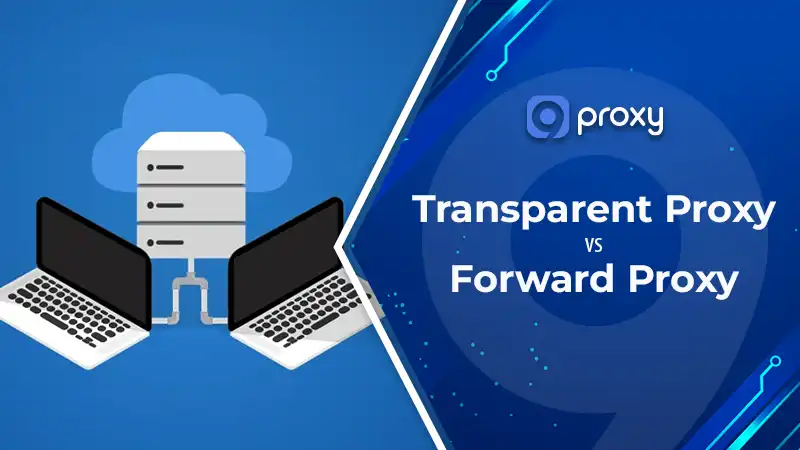
Transparent Proxy vs Forward Proxy is a common comparison for users who want better control, privacy, and network performance, but many still feel unsure which one to choose. We simply explain both proxy types, including how they work, who should use them, and the main benefits of each.
Whether you manage a network or just want safer browsing, this article provides clear explanations, real use cases, and practical tips to help you pick the right solution with confidence.
What Is Transparent Proxy and How Does It Work?
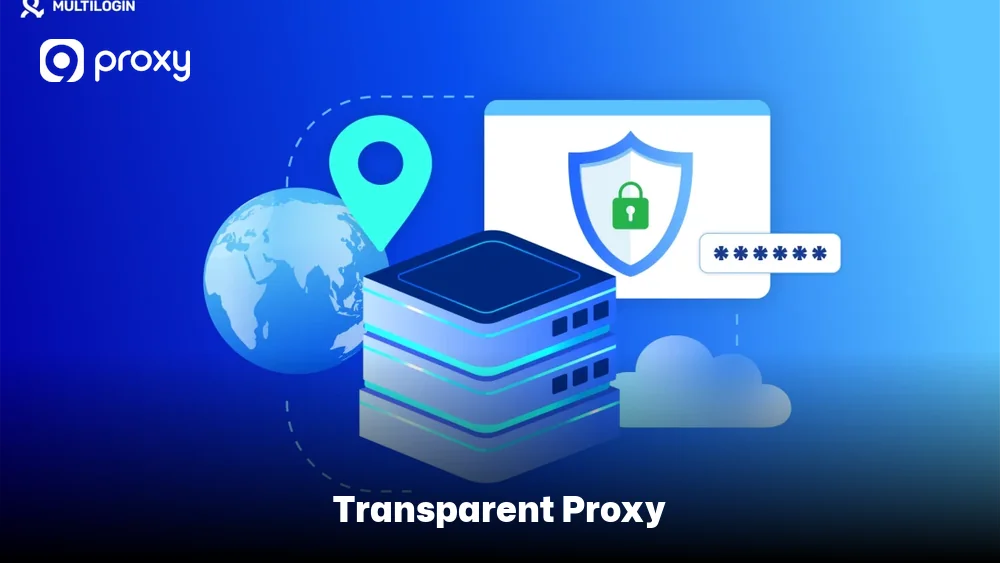
A transparent proxy is a server that sits between your device and the internet and works without you knowing or setting anything up. It operates at the network level, where your request to a website is automatically intercepted, forwarded to the server, and then returned to you through the proxy.
Transparent proxies are often used by ISPs, schools, businesses, or public Wi-Fi networks to cache content, filter websites, or monitor traffic. A common example is a Wi-Fi login page that appears before browsing.
In some cases, users also compare this setup with transparent proxy vs explicit proxy to better understand how visibility and configuration differ between proxy types.
What Is Forward Proxy and How Does It Work?
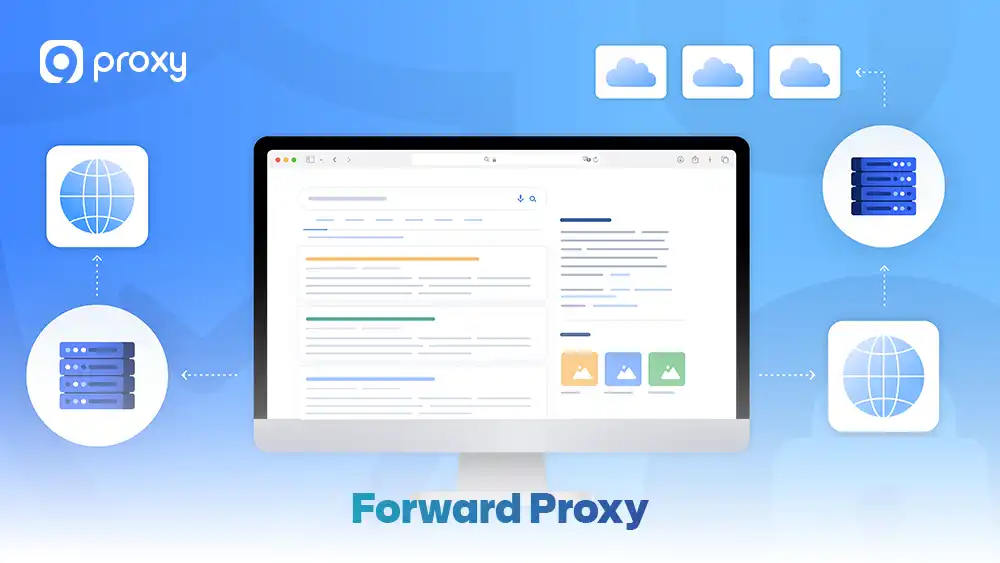
A forward proxy is a server you set up to control how your device connects to the internet. Your request goes through the proxy first, which checks it and sends it to the website, then returns the response to you.
The website only sees the proxy’s IP, not yours. This makes forward proxies useful for privacy, bypassing restrictions, and managing network access, while giving you more control than a transparent proxy.
If you want a deeper technical breakdown, you can explore how a forward proxy works in more advanced environments.
Transparent Proxy Vs Forward Proxy: The Differences That Change the Decision
When comparing Transparent Proxy vs Forward Proxy, the key difference is not only how they work, but how they impact control, privacy, and your overall browsing experience. This section highlights the most important points in a simple way to help you choose the option that best fits your needs in 2026.
|
Feature |
Transparent Proxy |
Forward Proxy |
|
Setup |
No client configuration required |
Requires manual configuration on the client device |
|
Visibility to Users |
Invisible |
Visible and intentional |
|
Who Controls It |
Network-level control |
User or admin-level control |
|
IP Privacy |
No IP masking |
Can hide client IP |
|
Caching |
Yes |
Yes |
|
Latency |
Can reduce latency via caching |
May add slight overhead, but this is offset by caching for repeated requests |
Transparent proxies focus on control and simplicity, while forward proxies focus on flexibility and privacy. Choosing between them depends on who controls the network and what outcome you need.
Client Setup and User Visibility
In the transparent proxy vs forward proxy comparison, one key difference is how users interact with them. A transparent proxy needs no setup; you just browse normally while the network handles everything in the background. In contrast, a forward proxy must be set up manually, so users clearly know it is being used.
Who Controls the Traffic Path
Control is another important factor. With a transparent proxy, the network owner (like an ISP or company) decides how your traffic is handled. You have little control. With a forward proxy, users or admins can choose when and how to use it, giving more flexibility based on needs.
Privacy, Anonymity, and IP Masking
When discussing Transparent Proxy vs Forward Proxy, privacy is one of the most important factors. Transparent proxies do not hide your IP address, so they are not meant for anonymity. Forward proxies can hide your IP, but the level of privacy depends on:
- Logging policies
- Provider trust
- Configuration
We always remind users that using a proxy alone does not guarantee full anonymity.
However, forward proxies are still the better choice when privacy is your main concern.

Caching, Speed, and Performance Expectations
Both proxy types can improve performance, but in different ways. Transparent proxies often cache popular content, helping speed up access for many users on the same network. Forward proxies may feel slower because they check requests before sending them. Speed depends on server location and load.
Policy Enforcement, Filtering, and Monitoring
Transparent proxies are often used to apply rules quietly, such as blocking certain websites without user action. Forward proxies also support filtering, but users usually know the rules are in place. Both help manage network usage, but transparent proxies are harder for users to bypass.
In enterprise environments, this role is sometimes compared with solutions like secure web gateway vs proxy to evaluate deeper security and inspection capabilities.
HTTPS Handling and Certificate Complications
HTTPS makes Transparent Proxy vs Forward Proxy more complex because encrypted traffic limits what proxies can see and control.
Transparent proxies cannot fully inspect HTTPS unless SSL inspection is enabled. This requires installing certificates and may cause trust or security concerns. Forward proxies can also inspect HTTPS in managed environments, but they face similar limits when encryption is not configured for inspection.
For organizations managing SSL/TLS decryption and threat inspection, integrating a proxy server firewall provides advanced security layers that can decrypt, analyze, and re-encrypt traffic while blocking malicious payloads and enforcing content policies at the application layer.
In simple terms:
- Without inspection → limited visibility
- With inspection → more control but more complexity
Understanding this helps you avoid unexpected issues when working in secure or encrypted environments.
When a Transparent Proxy Is the Better Choice
We find that transparent proxies work best in environments where changing settings on every device is difficult or not practical. They allow network-wide control without requiring user action.
- Public Hotspots: Great for libraries, airports, or cafes that need to show login or access pages before users can browse.
- Large Offices: Useful for saving bandwidth across many computers without needing manual setup on each device.
- Parental Controls: Helps parents filter and manage content on all home devices through the router.
- ISP Efficiency: Used by service providers to improve speed and manage traffic for many users at once.

When a Forward Proxy Is the Better Choice
A forward proxy is a better option when you need more control, flexibility, or personal security features. It is especially useful for users who want to manage how their traffic is handled.
- Remote Work: Helps employees securely access company systems and data from outside the office.
- Privacy Seekers: Ideal for users who want to hide their IP address and protect their online identity.
- Granular Control: Best when different users or groups need different access rules and policies.
- Development: Useful for testing websites from different locations or simulating user behavior in other regions.

Transparent Proxy vs Forward Proxy: Choosing the Right Option for Your Setup
Choosing between these two depends on your role and what you want to achieve. You should consider your technical skills and how much control or freedom you want users to have when accessing the network.
Best Choice for Network Administrators
If you manage a large school or company, a transparent proxy is often the best option. It allows you to control the entire network from one place without setting up each device individually. This makes it easier to apply rules and manage bandwidth efficiently.
Best Choice for Individual Users
For most home users, a forward proxy is more useful. It gives you control over your connection and helps protect your personal data based on your own needs.
Best Choice When Privacy Matters Most
If privacy is your priority, the forward proxy vs transparent proxy choice is simple. A forward proxy is designed to hide your identity, while transparent proxies usually do not provide this level of privacy.
Best Choice When Control and Filtering Matter Most
Both options can filter and control traffic, but transparent proxies are harder for users to bypass. If your goal is to block unsafe or unwanted websites effectively, a transparent proxy is often the better choice.
FAQs
Why Do ISPs Use Transparent Proxies?
ISPs use them to cache large amounts of data. This means if many people watch the same viral video, the ISP only has to download it once, which makes the internet faster for everyone and saves the company money on data costs.
Is an Explicit Proxy The Same As a Forward Proxy?
Yes. “Explicit” just means that the user is aware of the proxy and has configured their device to use it. This is the standard way a forward proxy operates in most business and personal settings.
What Tools Are Commonly Used to Set Up a Transparent Proxy?
Squid is the most famous tool for this task. It is open-source and very powerful. Other options include specialized hardware firewalls or software like Nginx configured as a proxy.
Conclusion
Understanding Transparent Proxy vs Forward Proxy helps you choose the right setup for a safer and more efficient network. Transparent proxies are simple and work well for large networks, while forward proxies offer better privacy and user control.
We recommend choosing based on your needs and technical setup. Selecting the right Transparent Proxy vs Forward Proxy solution will help keep your data secure and your network running smoothly in 2026.
For reliable proxy solutions that support both transparent and forward proxy configurations, explore 9Proxy for secure, high-performance proxy services tailored to your infrastructure needs. For more detailed guides, tutorials, and expert insights on proxy architectures and network security, visit Blog9Proxy.